
Galapagos Cruise for Groups: What You Need to Know
TL;DR
Most operators treat any booking of 8 or more passengers as a group, which unlocks discounts and priority cabin selection. Groups under 16 usually book a block of cabins on a scheduled cruise. Groups of 12 or more should seriously run the math on a full private charter. Either way, the biggest planning challenges are not the cruise itself: they are collecting 16 sets of passport data, coordinating TCT registrations, aligning flights, and managing mismatched fitness levels aboard a small vessel. Start earlier than you think you need to, and put one person in charge of logistics.
Quick Facts: Galapagos Group Cruises
| Detail | What to Know |
|---|---|
| Group threshold | Most operators: 8+ passengers qualifies as a group |
| Shore excursion group cap | 16 guests per naturalist guide (Galapagos National Park rule) |
| Vessel capacity range | 16 to 100 passengers; 16-passenger yachts most popular for groups |
| Park entrance fee | $200 per adult / $100 per child (under 12), USD cash only – Prices verified September 14, 2026 |
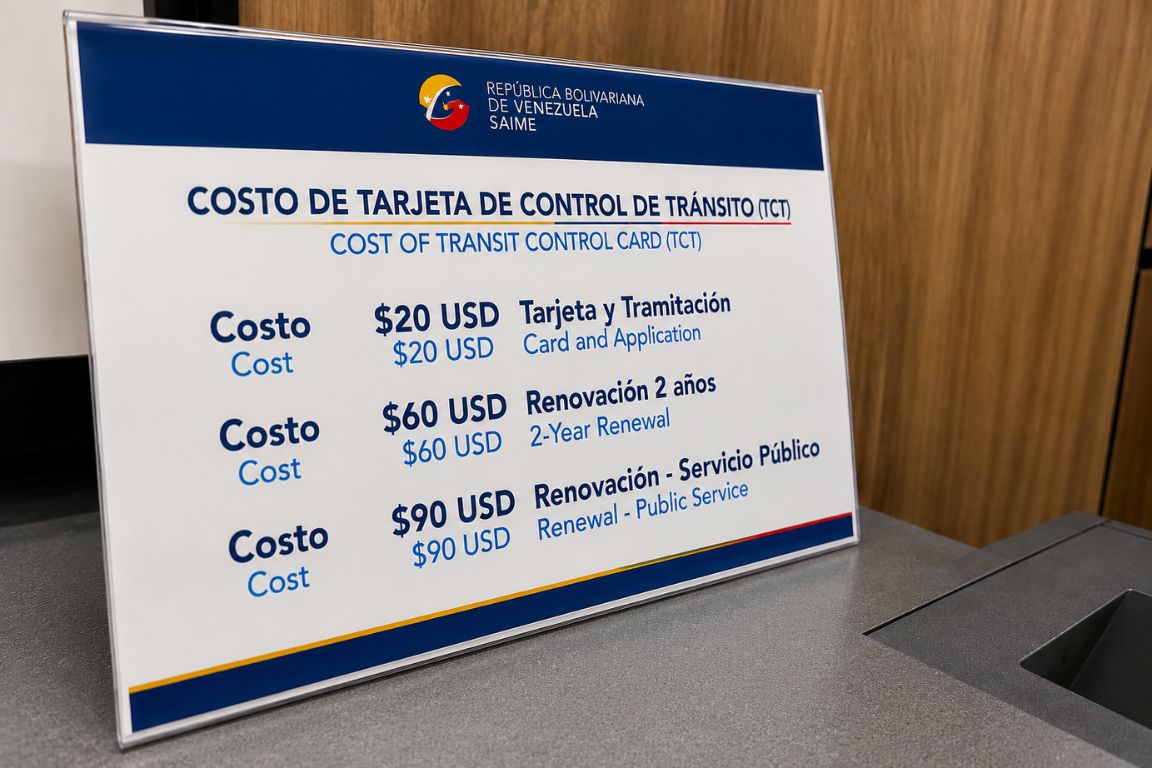
| Transit Control Card (TCT) | $20 per person, registered online before domestic flight – Prices verified September 14, 2026 |
| Passenger data deadline | Full passport details required 61 days before departure for most operators |
| Typical group discount | 3% to 10% depending on operator and group size |
| Recommended lead time | 6 to 12 months; 12 months for peak dates |
| Charter threshold | Groups of 12 or more: run the full charter math before deciding |
Entry fees verified against cruisestogalapagosislands.com and official Galapagos National Park sources as of September 14, 2026.
What Counts as a Group for a Galapagos Cruise, and How Is Group Travel Different?
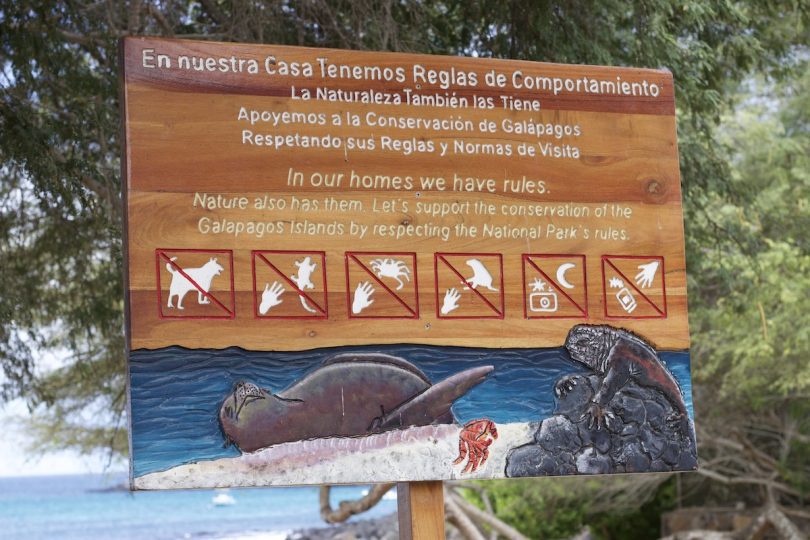
Most Galapagos cruise operators define a group as 8 or more passengers traveling together. At that threshold, group rates, priority cabin selection, and dedicated planning support typically become available. Galapagos National Park rules independently cap all shore excursion parties at 16 guests per naturalist guide, which means even large-ship passengers always land in small groups. For groups booking a 16-passenger yacht, the whole vessel operates as one single group from departure to return.
The park’s 16-guest-per-guide rule is worth understanding clearly. It applies to every vessel in the archipelago, regardless of how many passengers are aboard. A ship carrying 90 passengers sends them ashore in groups of 16, each with a separate certified naturalist. On a 16-passenger yacht, your entire group is already at the limit, and you move through every visitor site as one party. On a larger vessel, your group of 16 may be split, or mixed with other passengers to form shore parties.
Group travel in the Galapagos differs from independent travel primarily in two ways. The first is logistical: coordinating flights, passport data, TCT registrations, dietary restrictions, and cabin preferences across 10 or 16 people requires structure that a solo traveler never needs. The second is experiential: a group that knows each other changes the texture of every meal, every briefing, every moment on the Zodiac. The guide’s storytelling lands differently when the whole table around you shares context. We have spoken with groups who said the Galapagos trip became the defining event in their family’s shared history. That does not happen by accident. It happens because the planning was done right.
Should Your Group Book a Private Charter or Individual Cabins on a Scheduled Cruise?
Groups under 10 should almost always book individual cabins on a scheduled cruise. Groups of 12 to 16 should run the per-person math on a full charter before deciding, because the cost difference narrows significantly at higher headcounts. The real question is not price. It is whether your group needs the whole boat, or whether sharing with strangers is acceptable.
A cabin block on a scheduled departure means your group books a set of cabins on a cruise that will also carry independent travelers. You share the dining room, the briefings, the Zodiac queues, and the social deck with people outside your party. For some groups, this is fine. For a family reunion, a corporate offsite, or any gathering where the intimacy of the group is the point, it is a meaningful compromise.
A full private charter gives your group exclusive use of the entire vessel. No strangers. The crew, the guide, and every social space belongs to you. The per-person cost on a fully booked charter often comes within 5 to 15 percent of what individual cabin bookings on the same vessel would have cost. The gap closes as your headcount approaches the vessel’s capacity.
| Group Size | Best Approach | Why |
|---|---|---|
| 4 to 9 people | Cabin block on scheduled cruise | Charter premium is too high per person |
| 10 to 11 people | Cabin block or charter depending on budget | Run the math; charter still carries a premium |
| 12 to 16 people | Full charter worth strong consideration | Per-person cost approaches cabin pricing; exclusivity is gained |
| 16+ people (two groups) | Two charters, or one larger vessel | Larger ships (40 to 90 passengers) available; or split into two 16-person charters |
One nuance that almost never appears in comparison articles: on a scheduled cruise, your group of 10 may be split across two shore excursion parties if other passengers fill the remaining six spots to create two groups of 8. On a charter, your 10 people move as a single unit at every site. If the cohesion of your group on land matters as much as the boat itself, that distinction is worth the price difference. If you want us to run the actual numbers for your group size and target vessel, it takes about five minutes and often clarifies the decision immediately. Send us a message here and we will put together an honest comparison for your specific situation.
We’ve got a full breakdown on Galapagos private charter cruises if you want to know exactly which vessels are available, how the pricing works, and what you can customize when you have the boat to yourselves.
How Much Does a Galapagos Group Cruise Cost, and What Is Actually Included?
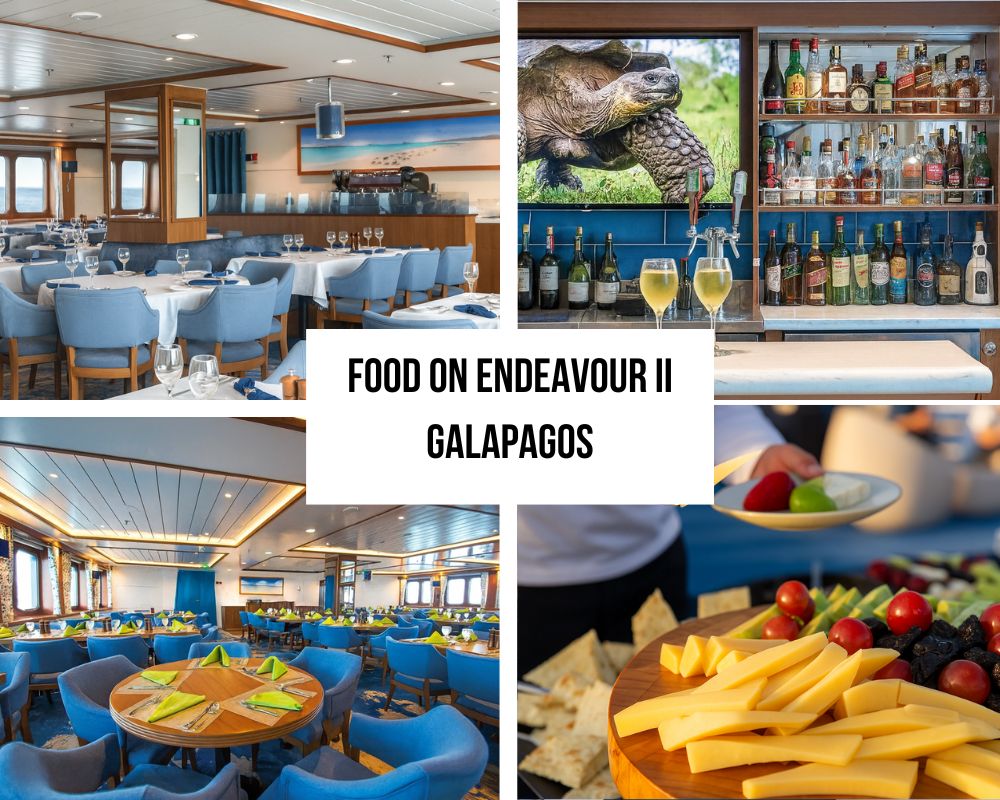
Per-person cruise prices for groups range from roughly $1,900 for a 4-day economy yacht to $9,500 and above for an 8-day luxury vessel, before park fees and flights. Group discounts typically run 3 to 10 percent off the standard cabin rate, depending on the operator and group size. What is included varies by vessel class: always confirm whether the $200 park fee and the $20 TCT are part of the quoted price or billed separately.
The all-in cost for a Galapagos group cruise has more components than the headline cruise rate suggests. Here is how a realistic budget breaks down per person for an 8-day first-class group cruise:
| Cost Component | Approximate Amount (per person) | Notes |
|---|---|---|
| Cruise base rate (8-day first class) | $4,500 to $7,000 | Group discount may reduce this 3 to 10% |
| Galapagos National Park fee | $200 (adults) / $100 (under 12) | Cash only; sometimes included by operator |
| Transit Control Card (TCT) | $20 | Registered online; rarely included in cruise price |
| Domestic flights (Quito or Guayaquil to Galapagos) | $250 to $600 round trip | Book early; group flight coordination recommended |
| Crew and guide gratuities | $200 to $400 | Not included; pool as a group for simplicity |
| Alcohol onboard | $100 to $300 (variable) | Sold separately on most vessels |
| Quito or Guayaquil hotel nights | $150 to $400 (1 to 2 nights) | Required before and after flights to islands |
Price ranges based on 2025-2026 operator data. All prices in USD. Prices verified September 14, 2026.
The component that trips up most groups: park fees for 16 adults add up to $3,200 in cash that needs to be physically present at the airport on arrival day. On a full-boat charter, one person typically handles this for the group, which requires either collecting $200 from each member in advance or the lead traveler fronting the total and being reimbursed. Decide how you will handle this before anyone boards a plane.
Gratuities deserve a specific mention. Naturalist guides and crew in the Galapagos work hard, and tipping practices matter to them materially. A standard group approach is to pool gratuities at the start of the trip and assign one person to distribute them at the end. Budget $200 to $400 per person for an 8-day trip split between guide and crew. Do not leave this for individuals to handle separately on the last morning. Planning a group budget across 10 or 16 people involves more variables than most groups anticipate. We can walk you through the full cost picture for your specific dates and vessel class. Reach out here for a no-obligation breakdown.
Which Galapagos Vessels Work Best for Groups?
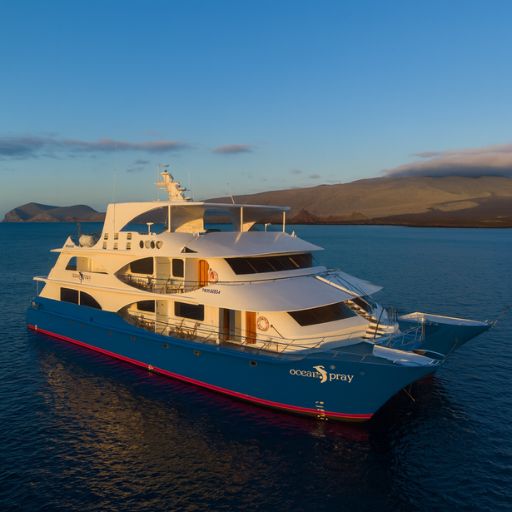
For groups of 8 to 16, a 16-passenger first-class or luxury catamaran is the most common and most practical choice. The size is intimate enough that your group remains coherent, the cabins are large enough for couples and families, and the social areas are designed for small-group gathering. Larger groups of 17 to 40 should look at mid-size expedition vessels in the 40 to 90 passenger range, which offer more cabin variety and larger common areas.
The vessel decision for groups comes down to four practical considerations that are easy to miss in brochure-browsing: cabin configuration, common area layout, guide quality, and seasickness management.
Cabin configuration matters when your group includes couples who want a double bed, families who need connecting rooms, and solo travelers who will pay a single supplement. Not every 16-passenger yacht supports all three. Map your group’s sleeping arrangements before you shortlist vessels, not after.
Common area layout determines whether your group can actually spend time together on the boat between excursions. Some first-class catamarans have a generous sun deck, a separate lounge, and a dining room that seats the whole group at once. Others are more compact. If evening group dinners and shared briefings are part of what you are paying for, verify the layout before booking.
Guide quality is the variable that separates good Galapagos group trips from great ones. The park certifies naturalist guides at Level I, II, and III. Level III guides have the deepest expertise and typically work on first-class and luxury vessels. For a group where shared learning and storytelling are part of the appeal, the guide matters as much as the boat.
Seasickness management is especially relevant for groups with mixed experience at sea. Wide-beam catamarans offer more stability than monohull yachts, which matters for the July to November season when the Humboldt Current pushes rougher seas through the western and northern routes. If anyone in your group is prone to motion sickness, a catamaran vessel and an eastern itinerary (calmer water) is the safer pairing.
What Itinerary Should a Group Choose in the Galapagos?
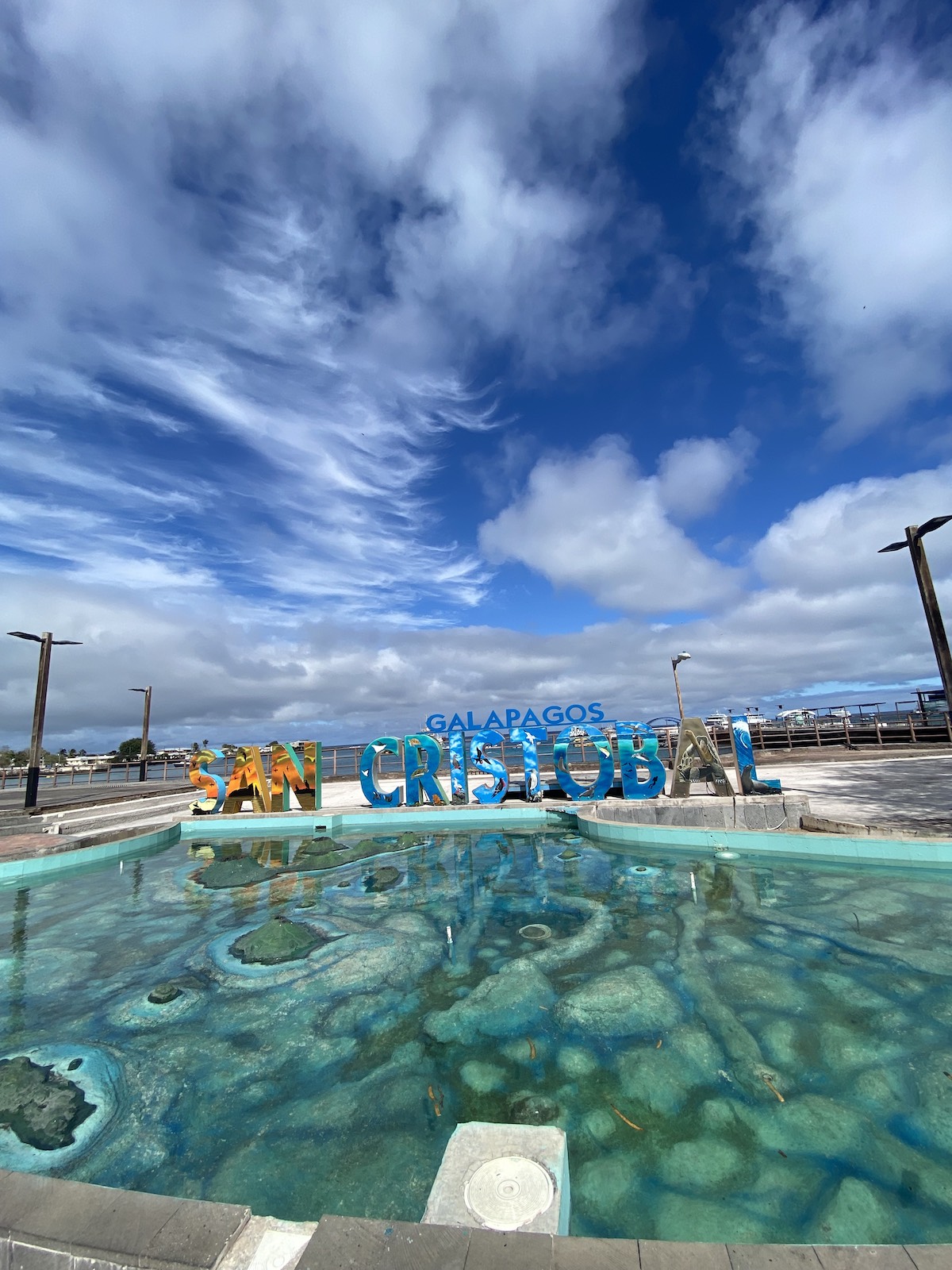
For most first-time groups, an eastern itinerary covering Española, Floreana, San Cristobal, North Seymour, Santa Fe, and Santa Cruz is the most reliable choice. Calmer seas, iconic wildlife spectacles including blue-footed boobies and waved albatross, and accessible landings make it the best fit for groups with mixed ages or fitness levels. Western itineraries are more dramatic and wildlife-dense but involve rougher water and more physically demanding sites.
Route names in the Galapagos are not standardized across operators. What one company calls “Western” another may label “B Route” or “Northern Loop.” The only reliable way to know what you are getting is to ask for the actual island-by-island sequence for your specific vessel and departure date. The park assigns each vessel a fixed 14-day rotating schedule. You are not choosing a direction; you are choosing a departure week that aligns with the vessel’s park-assigned route.
The practical group itinerary decision comes down to three questions. First, does your group have members who might struggle with rough water crossings? If yes, the eastern route is safer. Second, is there a specific species your group most wants to see? The waved albatross only lives on Española (April to December) and the flightless cormorant only lives on the western islands. Let wildlife targets drive route selection before anything else. Third, how many days can your group commit? Eight days covers one route direction well. Trying to see both east and west in 8 days means cutting something from both.
One itinerary pattern we see groups get wrong consistently: booking a 4 or 5-day cruise to keep costs down, then returning home wishing they had stayed longer. The Galapagos is the kind of destination where the cumulative effect of days compounds. Day three feels different from day one. By day six, the wildlife encounters start feeling almost normal in the best possible way. Groups that cut the trip short to save money almost universally wish they had not.
How Do You Coordinate Logistics for a Galapagos Group Trip?
Galapagos group logistics have more moving parts than almost any other destination because every traveler needs documentation that must be prepared individually but coordinated collectively. The Transit Control Card registration, passport data collection, dietary restriction communication, flight alignment, and cash-for-park-fees collection all need a single coordinator and a clear deadline. Whoever agrees to organize the group’s documents is doing real work. Compensate them or rotate the responsibility.
Here is the pre-trip admin sequence that every group needs to run, in order:
Six to twelve months out: lock the vessel and dates, collect a deposit from each member, and send a single document asking for passport number, full name as it appears on passport, date of birth, nationality, dietary restrictions, and flight preferences. Most operators require full passenger data 61 days before departure. Collecting it six months out gives you time to chase the two or three people who will not respond for weeks.
Three to four months out: coordinate domestic flights from Quito or Guayaquil to the Galapagos. Groups benefit from being on the same flight, both for logistics and for the airport biosecurity process. The biosecurity check at Quito operates from approximately 4:20am to 12:30pm. The check at Guayaquil opens around 6:30am. Flights to the Galapagos depart in the morning. A group of 16 moving through this queue independently, at different times, creates chaos. A group that coordinates to arrive together moves through as a unit.
One month out: remind every member to register their Transit Control Card online at the official portal, ideally within 48 hours of their domestic flight. As of May 2025, the in-person airport counter process was discontinued. TCT registration is online only. Each person registers individually with their passport number, flight details, and accommodation information. The $20 fee is paid by credit card. Each person receives a digital confirmation. This cannot be delegated. Each person must complete their own registration. A group of 16 with one member who forgot to do this will watch that person miss the flight while the rest board.
One week out: remind every member to bring $200 in clean USD cash per adult for the park fee, paid on arrival. No cards. No traveler’s checks. Some operators include this in the package price. Most do not. If one person in your group arrives without cash, it creates a delay for everyone.
What Group Travelers Tell Us: Patterns from Thousands of Galapagos Interviews
From the traveler interviews and feedback collected through mytrip2ecuador.com, the YouTube channel My Trip to Somewhere, and the groups we have worked with at Cruises To Galapagos Islands, these patterns appear consistently for Galapagos group bookings:
| Pattern | Approx. Frequency | What to Do About It |
|---|---|---|
| At least one group member did not complete TCT registration before airport | ~38% of groups | Set a deadline 72 hours before departure; confirm individually |
| Group underestimated total all-in cost per person (park fees, gratuities, alcohol) | ~64% | Share full cost breakdown at the time of deposit, not just the cruise rate |
| Group wished they had chosen a longer itinerary (8 days vs. 5 days) | ~57% | Default to 8 days; the incremental cost is worth it |
| Fitness mismatch caused frustration between group members on excursions | ~29% | Discuss activity levels honestly before booking; choose vessel accordingly |
| Group would travel to Galapagos again and would use the same format | ~91% | Satisfaction is very high when expectations are set correctly |
Data from traveler interviews and feedback collected through mytrip2ecuador.com and Oleg’s YouTube audience. Sample reflects several hundred group participants across multiple years.
The logistics checklist above is the piece most group organizers wish they had received at the start of planning rather than discovered mid-process. If you are pulling together a Galapagos group trip and want someone to walk you through it from the beginning, that is exactly what we do. Get in touch here and tell us about your group. We’ll take it from there.
What Are the Biggest Group Travel Mistakes on a Galapagos Cruise?
The most damaging mistakes in Galapagos group trip planning share a common thread: they are made before anyone arrives at the airport. Mismatched expectations about the trip’s physical demands, one person missing critical documentation, failing to communicate dietary restrictions in advance, and underestimating how much coordination a group of 10 to 16 people actually requires. None of these are inevitable. All of them are avoidable.
Mistake 1: Not discussing fitness expectations before booking. A Galapagos cruise involves wet landings where guests step from a Zodiac into ankle-deep water onto rocky shores, dry landings onto docks or beaches, and hikes across uneven lava terrain. There is no version of the trip that does not involve some physical engagement. Groups that discover on day two that two members cannot handle wet landings face a problem with no easy solution. Ask every member of your group specifically about mobility, knee issues, and comfort with water before you book. Some vessels and itineraries are more accessible than others. Match the vessel to the group’s actual physical range, not its aspirational range.
Mistake 2: Letting one person miss the TCT deadline. Since May 2025, the TCT must be registered online before your domestic flight. There is no longer a counter at the airport where someone can sort it out at the last minute. Airlines verify TCT status before issuing a boarding pass. Someone who misses this step misses the cruise. In a group of 14, one person missing the flight does not stop the boat from leaving. The group sails. That person catches up if they can, or loses their seat. This situation is entirely preventable with a group deadline and individual confirmation.
Mistake 3: Failing to communicate dietary restrictions to the operator. Galapagos cruise vessels cook for their entire passenger complement. There is one menu. The chef prepares it in advance based on the dietary information provided during booking. A last-minute declaration of a strict allergy or a religious dietary requirement creates a problem the kitchen cannot easily solve in the middle of the ocean. Collect dietary restrictions from every group member at the point of booking and submit them to the operator in writing. Follow up in writing 30 days before departure to confirm receipt.
Mistake 4: Booking too short a trip to save money. A 4-day cruise in the Galapagos visits perhaps two or three islands. By the time the group settles in and finds its rhythm, the trip is almost over. The incremental cost difference between 5 days and 8 days is real, but spread across 10 to 16 people and considered against the cost of international flights and the rarity of the destination, it almost never looks like a good trade in retrospect. We hear this from group travelers more consistently than almost any other piece of feedback. If budget is genuinely the constraint, book fewer people rather than fewer days.
Mistake 5: Waiting too long to book peak dates. Christmas, Easter, and summer school holiday departures on the most popular 16-passenger vessels fill 12 months out. Groups planning around school schedules and family availability operate in exactly the windows that sell first. The group that starts planning in January for a December trip will find that the vessels they want are already chartered. The group that starts in December for the following December has genuine options.
Frequently Asked Questions
How many people do you need for a group rate on a Galapagos cruise?
Most operators define a group as 8 or more passengers traveling together. At that threshold, group discounts (typically 3 to 10 percent), priority cabin selection, and dedicated group planning support become available. Some smaller operators have lower thresholds. Ask your operator directly what their group minimum is before assuming.
Can a large group of 20 or more people cruise the Galapagos together?
Yes. Vessels in the Galapagos range from 16 to 100 passengers. A group of 20 to 40 could book space on a mid-size expedition ship, or split into two simultaneous charters on separate 16-passenger yachts sailing the same route in the same week. The second option gives two sub-groups full vessel exclusivity while keeping the larger group in the same geographic area throughout.
Does every member of the group need to register their TCT individually?
Yes. As of May 2025, the Transit Control Card must be registered individually by each traveler through the official online portal at siig-cgreg.gobiernogalapagos.gob.ec. The $20 fee per person is paid by credit card. Each traveler receives their own digital confirmation. This cannot be completed on behalf of another person. A group coordinator can send instructions and a deadline, but each member completes their own registration.
What happens if one member of the group cannot make it?
For cabin bookings on a scheduled cruise, the cancellation policies of the individual booking apply. The rest of the group is not affected. For a full private charter, cancellation terms are stricter: the lead traveler typically holds financial responsibility for the entire vessel regardless of who shows up. Group travel insurance covering individual cancellations is strongly recommended for any charter booking.
How far in advance should a group book a Galapagos cruise?
For peak dates (Christmas, Easter, summer school holidays), 12 months in advance is the safe window. For non-peak dates, 6 months gives good vessel selection. Groups booking less than 3 months out will find limited cabin availability and fewer vessel choices, particularly on the most popular 16-passenger yachts.
Can dietary restrictions be accommodated on a Galapagos group cruise?
Yes, when communicated in advance and in writing. Galapagos cruise vessels cook one menu for all passengers. Vegetarian, gluten-free, and common allergy accommodations are manageable when the operator has advance notice. Complex or highly restrictive diets (certain religious requirements, rare allergies) should be discussed directly with the operator before booking to confirm what is realistically possible aboard the specific vessel.
Planning a Galapagos Group Trip?
We have helped hundreds of groups navigate the vessel choices, logistics coordination, itinerary decisions, and pre-trip admin that make a Galapagos group cruise work properly. Our agency is rated 4.9 stars on both Google and TripAdvisor, and Oleg has personally been on these boats. There is no fee and no obligation for the initial conversation. Tell us about your group, your dates, and your budget, and we will come back with honest recommendations.
Start Planning Your Group Trip
Written by Oleg Galeev
Galapagos cruise traveler (3 trips, 2 cruises) · Founder, Cruises To Galapagos Islands
Oleg has personally inspected nearly every available Galapagos cruise vessel and interviewed thousands of travelers to build the most first-hand cruise knowledge base available. He also runs the Ecuador travel blog mytrip2ecuador.com and the YouTube channel My Trip to Somewhere.
Cruises To Galapagos Islands is rated 4.9 stars on Google and TripAdvisor.
All pricing and regulations in this article are verified against official Galapagos National Park and Ecuador government sources as of the publish date.