
Do You Need to Be Fit to Go on a Galapagos Cruise?
Quick Summary
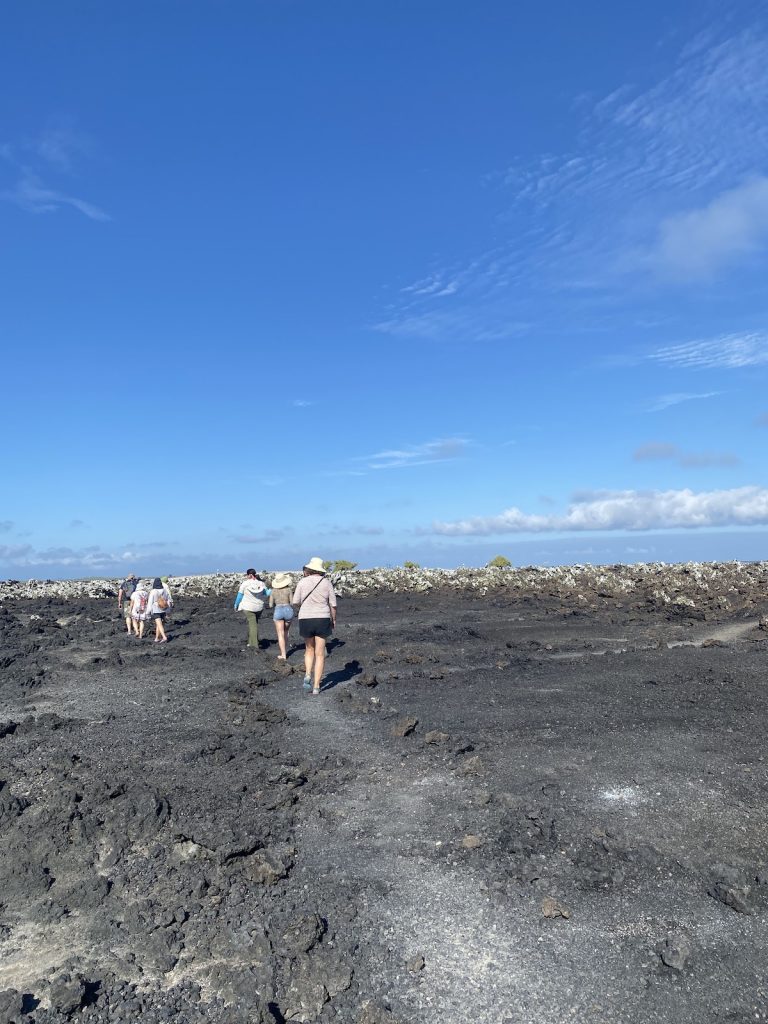
A Galapagos cruise does not require athletic fitness. It requires the ability to walk on uneven terrain for 1 to 2 hours, board and disembark a small panga with crew assistance, and manage the equatorial sun. Most healthy adults in their 60s, 70s, and 80s complete the standard activity program without difficulty. Children from age 6 participate fully; the sweet spot is age 8 to 12. The most physically demanding optional activity is the Sierra Negra volcano hike on western itineraries, and it is optional. The one condition that matters most regardless of age or fitness is seasickness: bring medication, take it before you feel ill, and request a lower-deck central cabin if you are prone.
Fitness and Accessibility: Quick Reference
| Traveler Profile | Galapagos Cruise Suitable? | Key Consideration |
|---|---|---|
| Average healthy adult (any age) | Yes, fully | No specific fitness requirement beyond daily walking comfort. |
| Older traveler (70s to 80s) | Yes, with right vessel choice | Mid-size to large vessel; eastern itinerary; warm season for calmer seas. |
| Traveler with mobility limitations | Partially – vessel-dependent | Must be able to board a panga independently with crew assistance. Wheelchair access is not available on any Galapagos cruise vessel. |
| Children age 6 to 7 | Yes, with a liability waiver on most vessels | Industry minimum. Children can participate in most activities; shorter attention spans mean adults may need to stay back on some excursions. |
| Children age 8 to 12 | Yes, fully – sweet spot age range | Old enough to appreciate the experience fully; young enough for a lifelong impression. |
| Traveler prone to seasickness | Yes, with medication and vessel planning | Request lower-deck central cabin. Bring Bonine or Scopolamine. Take medication before feeling ill. |
| Traveler with cardiac or respiratory condition | Consult your doctor first | Quito stopover (2,850m altitude) requires acclimatization planning. Choose a vessel with a 24-hour medical officer for peace of mind. |
| Wheelchair user | Not suitable for standard cruise | No Galapagos cruise vessel has wheelchair accessibility. Panga boarding and lava terrain are not manageable in a wheelchair. Land-based island stays may be an alternative. |
Suitability assessments are general guidance. Confirm specific access requirements with your operator before booking.
How Physically Demanding Is a Galapagos Cruise?
A standard Galapagos cruise is moderately active but not strenuous. The baseline physical requirements are: the ability to walk on uneven terrain for 1 to 2 hours at a slow, guided pace; the ability to board and disembark a small panga with crew assistance; and the ability to manage equatorial sun and heat during morning excursions. No excursion on a standard itinerary requires running, climbing, or swimming. All activities are optional.
The honest framing matters here. A Galapagos cruise is not a trekking expedition. The guides set the pace, and on any well-run vessel, that pace is slow: observation-focused, stop-heavy, and managed around the least physically capable guest in the group. A 72-year-old with a mildly arthritic knee has completed every standard excursion on an eastern Galapagos itinerary. A 55-year-old who expects the trail difficulty of a day hike in the Rocky Mountains will find most Galapagos walks underwhelming in terms of physical effort.
The panga transfer is the one physical element that has a genuine baseline requirement, and it is lower than most people imagine before they experience it. You sit on the panga’s inflated gunwale, swing your legs over, and step or lower yourself onto the shore or dock, with crew members on both sides offering a hand. The crew does most of the stabilization work. Guests in their 80s manage this regularly with modest assistance. What the panga requires is not strength but willingness to accept help, which is a psychological rather than physical challenge for some travelers.
The equatorial sun and heat are what actually exhaust people, not the walking. Lava fields absorb and radiate heat. Morning hikes that start at 6:30 a.m. in comfortable temperatures become significantly hotter by 9:30 a.m. Staying hydrated, wearing a wide-brim hat, and applying sunscreen before exposure handles the sun management. Pacing yourself on the walk and accepting the guide’s slow observation cadence handles the rest. The travelers who tire most on Galapagos excursions are typically those who try to walk at city pace rather than at the naturalist’s wildlife observation pace.
Matching the right cruise itinerary and vessel to your actual fitness level and any mobility considerations is exactly the kind of planning we do for every traveler we work with. If you have a specific health situation or physical concern, telling us upfront saves you from discovering mid-cruise that the vessel or the route was not the right fit. Fill out this short form and we will find the cruise that matches your actual needs, not the average traveler profile.
What Are the Most Physically Challenging Activities on a Galapagos Cruise?
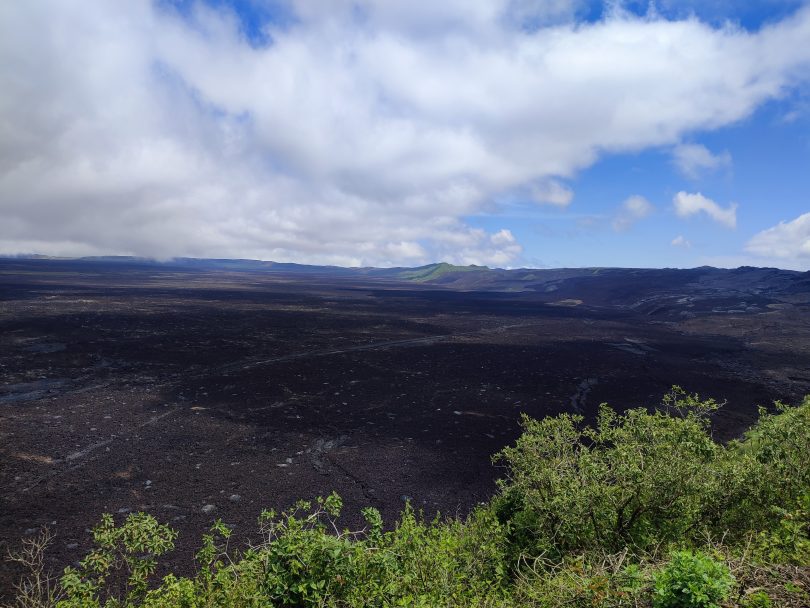
The most demanding activity available on a Galapagos cruise is the Sierra Negra volcano hike on Isabela Island: 10 kilometers round trip with real elevation gain, available on western itineraries only, and optional. The most demanding regular daily activity is navigating wet landings on slippery lava rock in surf. Snorkeling in current (Kicker Rock, Devil’s Crown) requires swimming confidence and cold-water tolerance. Everything else on a standard itinerary is accessible to any normally mobile adult.
| Activity | Physical Demand | Optional? | Notes |
|---|---|---|---|
| Sierra Negra hike (Isabela) | Strenuous | Yes | 10 km round trip with elevation gain. Western itinerary only. Good cardiovascular fitness required. |
| Snorkeling in current (Kicker Rock, Devil’s Crown) | Moderate to demanding | Yes | Requires confidence in open water and cold-water tolerance. Flotation vests available. |
| Panga boarding and disembarkation | Low to moderate | No (required for all excursions) | Requires ability to swing legs over the gunwale and step off with crew assistance. Not suitable for wheelchair users. |
| Wet landings (lava rock) | Low to moderate | No (at sites with wet landings) | Slippery volcanic rock in surf. Crew assists. Correct footwear (heel-strap sandals) reduces fall risk significantly. |
| Standard trail walk (1 to 2 hours) | Easy to moderate | Yes | Uneven lava-cobble terrain at a slow wildlife-observation pace. Guides accommodate slower walkers. |
| Kayaking and SUP | Easy | Yes | All in calm, sheltered water. No prior experience required. Crew follows in a panga. |
| Snorkeling (calm sites) | Easy | Yes | Flotation vests available. Non-swimmers can snorkel with vest support. Glass-bottom boat alternative on some vessels. |
Physical demand ratings are relative to normal adult fitness. Verified September 2026.
The opt-out system is one of the most important practical features of a Galapagos cruise for less active travelers. No excursion is mandatory. If the afternoon snorkel at Kicker Rock sounds too demanding, you stay on the vessel. If Sierra Negra is not realistic for your knees, you remain in port or do a lighter alternative. The guide manages your absence without any impact on the group’s experience. Telling your guide at the first morning briefing what your physical preferences are is the most useful thing a less active traveler can do: guides who know the limitations of specific guests manage the pace and the route accordingly.
Western itineraries that include Sierra Negra are more physically demanding overall than eastern and central routes. If your fitness level or a specific health condition makes you uncertain about which route is right for you, that is exactly the conversation we have with travelers before booking. Reach out here and we will walk you through the activity demands of each itinerary option we recommend.
Can Older Travelers or Those With Limited Mobility Do a Galapagos Cruise?
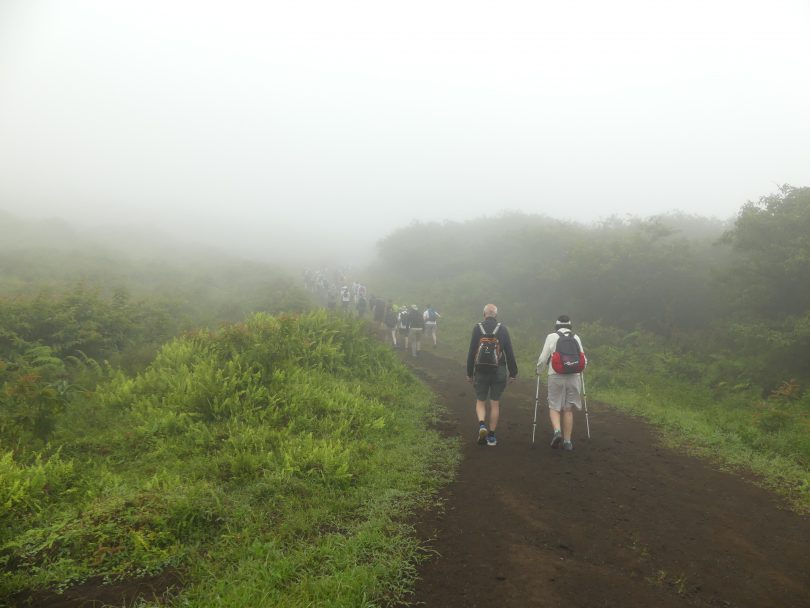
Yes. Galapagos cruises are completed by travelers in their 70s and 80s every week of the year. The relevant question is not age but fitness level and specific mobility constraints. The key factors for older or less mobile travelers are vessel size (mid-size to large vessels offer more crew support and better cabin access), itinerary choice (eastern routes have gentler terrain than western ones), and season (the warm season from December to May delivers calmer seas and easier panga transfers).
The one hard limitation that applies regardless of vessel size or itinerary is wheelchair access. No Galapagos cruise vessel is wheelchair accessible. The panga boarding and disembarkation process requires standing, pivoting, and stepping, and the visitor site terrain is lava rock and volcanic sand that no mobility device can traverse. Travelers who are wheelchair dependent are genuinely not suited to a cruise format, and the honest recommendation for those travelers is a land-based stay on Santa Cruz or San Cristobal, where accessible hotel accommodation and shorter day excursions provide a different but still meaningful version of the Galapagos experience.
For travelers who walk independently but slowly, use a cane, or have one compromised joint, the cruise is genuinely accessible with the right vessel and itinerary. Mid-size vessels (40 to 100 passengers) offer wider corridors, lower step heights between decks, and more crew per guest. Several vessels including the Santa Cruz II, Celebrity Flora, Silver Origin, and Galapagos Legend carry 24-hour medical officers, which provides meaningful peace of mind for travelers managing cardiac conditions, diabetes, or other chronic health situations where rapid medical access matters.
Can Children Go on a Galapagos Cruise?
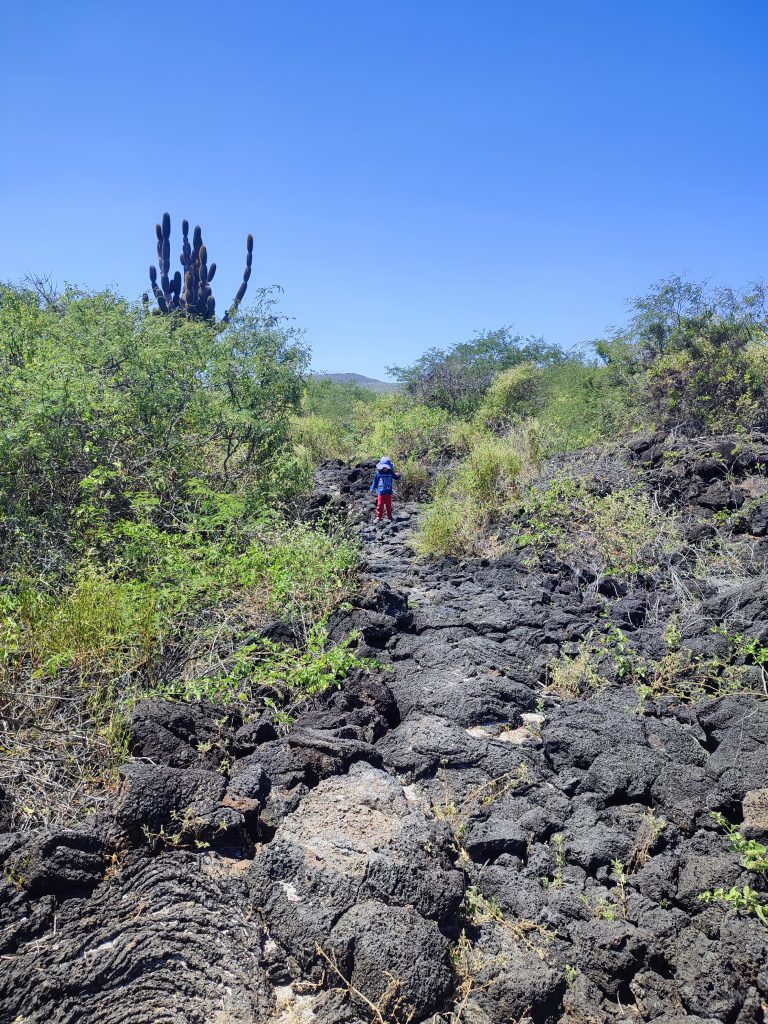
Yes. Most Galapagos cruise vessels accept children from age 6, with a liability waiver required for children under 6 on most operators. The sweet spot age range is 8 to 12: old enough to appreciate and remember the experience fully, young enough for it to make a lifelong impression. Children under 5 can make the trip but may not participate in all activities, and an adult must stay with them during any excursion the child cannot complete.
The 6-year minimum is the industry consensus developed over decades of family cruise operations. It reflects the physical reality of panga boarding in moving water, the attention demands of a 1.5-hour wildlife walk, and the snorkeling conditions at standard sites. A typical 6-year-old at reasonable fitness manages all of these with guidance. A typical 4-year-old manages some and not others, which creates a situation where an adult is repeatedly splitting from the group to stay with the child, reducing both parties’ experience.
The 8 to 12 sweet spot comes up consistently in operator guidance and in feedback from families who have made the trip. At that age range, children snorkel confidently, follow a naturalist guide’s explanation with genuine interest, and have the physical endurance for a full two-excursion day. They are also at the age where the Galapagos experience tends to spark an interest in biology, ecology, and conservation that shapes their relationship with the natural world for years afterward. Multiple families in our traveler cohort have described their Galapagos cruise as the trip their children “talk about most” from their entire childhood.
Teenagers are often the most enthusiastic Galapagos participants of all. The snorkeling, kayaking, paddleboarding, and wildlife photography opportunities give older children something to engage with actively rather than passively observe. Multiple operators report that teenagers on Galapagos cruises frequently outpace adult guests in the water and on the trails.
Family itinerary planning for the Galapagos is something we specialize in. The right vessel choice for a family with young children is different from the right choice for a couple in their 70s, and both are different from the right choice for a solo traveler focused on diving. Send us a message here and tell us your family composition and we will find the cruise that works for everyone in the group.
What Health Conditions Might Affect Your Galapagos Cruise?
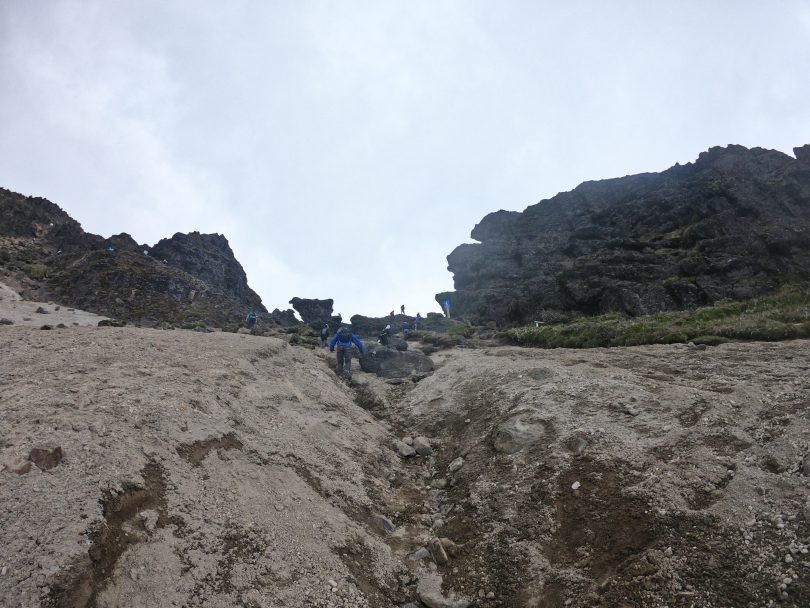
Seasickness is the health condition that most consistently affects Galapagos cruise experience regardless of age or fitness. Motion sickness medication (Bonine, Dramamine, or prescription Scopolamine) taken before symptoms appear is the reliable solution. Travelers with cardiac or respiratory conditions should discuss the Quito stopover (2,850m altitude) with their doctor before travel. Medical facilities on the islands are limited; travel insurance with medical evacuation coverage is non-negotiable for any traveler with a pre-existing condition.
Seasickness is the most democratically distributed physical challenge on a Galapagos cruise. Fit, young, experienced sailors get it. People who have never been seasick in their lives get it on a rough overnight crossing. The cool season (June through November) brings stronger currents and larger swells, particularly on western itineraries and the overnight sail north to Darwin and Wolf on liveaboards. The warm season (December through May) delivers calmer conditions for the same routes. Travelers who are seriously prone to motion sickness should factor this into their season choice as much as any wildlife consideration.
The Quito altitude issue catches travelers who plan a mainland Ecuador stopover before or after the cruise. Quito sits at 2,850 meters (9,350 feet) above sea level. Altitude sickness can affect anyone at this elevation, and it disproportionately affects older adults, young children, and people with cardiac or respiratory conditions. Planning at least one acclimatization night in Quito before flying to the islands, and consulting your doctor 6 to 8 weeks before departure for altitude sickness prevention medication (acetazolamide) if you have relevant conditions, handles this proactively rather than reactively.
Travel insurance with medical evacuation coverage is not optional if you have a pre-existing condition. The Galapagos Islands have basic medical facilities on the main inhabited islands, and several larger vessels carry 24-hour physicians. But serious medical events require evacuation to the mainland, and that process takes time and costs money. Insurance that covers both the medical treatment and the evacuation logistics is the correct preparation for any traveler, and particularly for anyone over 60 or managing a chronic health condition.
Not sure which seasickness remedies actually work on a Galapagos cruise or how to choose a boat that minimizes the risk? Here’s a straight breakdown on how to avoid seasickness on a Galapagos cruise.
Which Cruise Class or Vessel Is Best for Less Active Travelers?
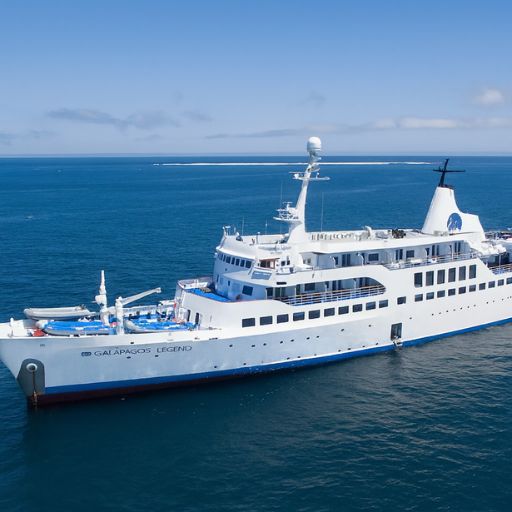
Mid-size to large vessels (40 to 100 passengers) offer the most support infrastructure for less active or older travelers: more crew per guest, wider corridors, lower step heights, 24-hour medical officers on specific vessels, and better cabin layout options. Budget small yachts are the least suitable for travelers with mobility concerns. Eastern and central itineraries involve gentler terrain than western routes. The warm season (December through May) delivers calmer sea conditions.
The vessel size trade-off is real and worth understanding clearly. Small luxury yachts (16 passengers) give you the best guide-to-guest ratio and the most intimate wildlife experience, but the small vessel size amplifies sea motion, and the compact cabins and narrow corridors create difficulty for any traveler who is not fully mobile. Larger vessels absorb motion better, carry more crew for assistance, and offer more cabin configurations including lower-deck options that reduce both stair climbing and vessel movement.
Specific vessels with 24-hour medical officers include the Santa Cruz II (HX Expeditions), Celebrity Flora, Silver Origin, and Galapagos Legend. This is a meaningful practical differentiator for travelers managing cardiac conditions, post-surgical recovery, or any situation where rapid medical access genuinely matters. Confirming the medical staffing of your specific vessel before booking is worth the extra step for travelers in this category.
We have placed travelers of every age, fitness level, and physical condition on Galapagos cruises, and we know which vessels and which routes work for specific situations. If your group includes travelers with mixed fitness levels, specific health conditions, or mobility considerations, that is exactly the kind of detail we work with every day. Fill out the contact form and we will find a cruise configuration that works for everyone in your group.
How Should You Prepare Physically Before a Galapagos Cruise?
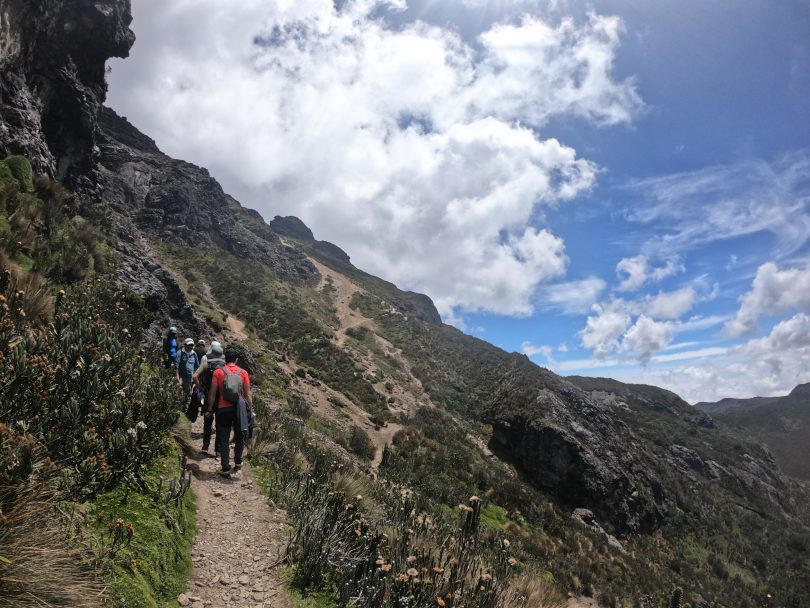
For most travelers, the most useful pre-trip preparation is wearing in your hiking shoes on long walks before departure, beginning a daily walking routine 4 to 6 weeks out if you are currently sedentary, and consulting your doctor 6 to 8 weeks before travel if you have any pre-existing health condition. No specific fitness program is required for the standard Galapagos cruise activity level. The preparation that matters most is footwear, sun protection, and seasickness medication.
The shoe break-in advice is the one that prevents the most consistent physical discomfort on the cruise. New hiking shoes on lava-cobble terrain over 6 to 8 hours of excursions across a week produce blisters that compound daily. Whatever shoes you plan to wear on trails should be worn on multiple long walks before departure. This is the single most practical physical preparation available.
For travelers who currently walk very little, starting a 30 to 45 minute daily walking routine 4 to 6 weeks before departure genuinely improves the experience. Not because the trails are hard, but because two excursions per day across an active week adds up to significantly more sustained walking than most office-based travelers do in a typical month. Building the baseline capacity before you arrive means you spend excursion time watching wildlife rather than managing fatigue.
Trying to figure out what footwear and clothing actually works for wet landings and lava field walks on a Galapagos cruise? Here’s the guide on what to wear in the Galapagos so you pack smart.
What Travelers With Physical Concerns Say About the Trip (Our Data)
From feedback collected through mytrip2ecuador.com and our YouTube audience, here is what travelers who had physical concerns before their Galapagos cruise reported after returning:
| Concern Before Trip | % Who Named It | What They Said After |
|---|---|---|
| Worried about fitness level | 62% | The vast majority reported the trails were easier than expected. The wildlife pace, not the terrain, was the defining feature of the walks. |
| Seasickness was a real problem | 24% | About one in four travelers reported meaningful seasickness on at least one crossing. Almost all who used medication proactively reported manageable or no symptoms. |
| Older traveler completed full program | 78% | Of travelers aged 70 or older in our feedback, more than three quarters reported completing all or nearly all excursions across the full cruise without significant physical difficulty. |
| Blisters from footwear | 31% | Almost a third of travelers reported blister issues, almost exclusively from new or non-broken-in shoes. Travelers who had worn their shoes in before departure reported no blister issues. |
| Children exceeded expectations | 84% | Families who brought children aged 8 to 12 reported that the children were more engaged, more energetic, and more enthusiastic across the full week than either the parents or the guides expected before the cruise. |
Frequently Asked Questions
Is a Galapagos cruise suitable for elderly travelers?
Yes. Travelers in their 70s and 80s complete Galapagos cruises every week of the year. The key variables are fitness level and mobility, not age. Mid-size to large vessels on eastern or central itineraries during the warm season (December through May) provide the best combination of support, gentler terrain, and calmer conditions for older travelers. The one hard limit is wheelchair dependency: no Galapagos cruise vessel is wheelchair accessible.
What is the minimum age for children on a Galapagos cruise?
Age 6 is the industry-standard minimum, with a liability waiver required on most vessels for children under 6. The sweet spot age is 8 to 12, when children can participate fully in all activities and appreciate the experience fully. Children under 5 can make the trip but may not be able to complete all excursions, requiring an adult to remain on board with them during those activities.
What can I do about seasickness on a Galapagos cruise?
Take medication before you feel ill, not after. Bonine (meclizine) and Dramamine (dimenhydrinate) are the standard over-the-counter options. Prescription Scopolamine patches are the strongest option for travelers who are seriously prone. Request a lower-deck central cabin, which experiences less vessel motion. The warm season (December through May) delivers calmer conditions than the cool season. Larger vessels also offer somewhat more stability than small yachts.
Do I need to be fit to snorkel in the Galapagos?
No, for calm-site snorkeling. Flotation vests are available on all vessels and allow non-swimmers and weak swimmers to snorkel safely. Current-driven sites like Kicker Rock and Devil’s Crown require more swimming confidence and cold-water tolerance. Vessels that carry glass-bottom boats provide a non-swimming alternative for marine wildlife viewing at any site.
Does the Galapagos have medical facilities?
Basic medical facilities exist on the main inhabited islands (Santa Cruz, San Cristobal, Isabela). Several larger cruise vessels carry 24-hour medical officers, including the Santa Cruz II, Celebrity Flora, Silver Origin, and Galapagos Legend. Serious medical emergencies require evacuation to the mainland, which takes time and is costly. Travel insurance with medical evacuation coverage is non-negotiable for any traveler with a pre-existing health condition.
Not Sure If a Galapagos Cruise Is Right for Your Fitness Level?
We have placed travelers of every age, physical condition, and mobility level on Galapagos cruises. We know which vessels have the best crew support, which itineraries avoid the most demanding terrain, and which season delivers the calmest conditions for travelers who are concerned about seasickness or physical demands. Cruises To Galapagos Islands is rated 4.9 stars on Google and TripAdvisor. Every conversation with us is free and comes with no commitment. Fill out the contact form and we will find a Galapagos cruise that works for your specific situation.
Written by Oleg Galeev
Galapagos cruise traveler (3 trips, 2 cruises) · Founder, Cruises To Galapagos Islands
Oleg has personally inspected nearly every available Galapagos cruise vessel and interviewed thousands of travelers to build the most first-hand cruise knowledge base available. He also runs the Ecuador travel blog mytrip2ecuador.com and the YouTube channel My Trip to Somewhere.
Cruises To Galapagos Islands is rated 4.9 stars on Google and TripAdvisor.
All medical information in this article is general guidance only. Consult your doctor before travel, particularly if you have a pre-existing health condition.