
What Is a Galapagos Cruise Cancellation Policy?
Quick Summary
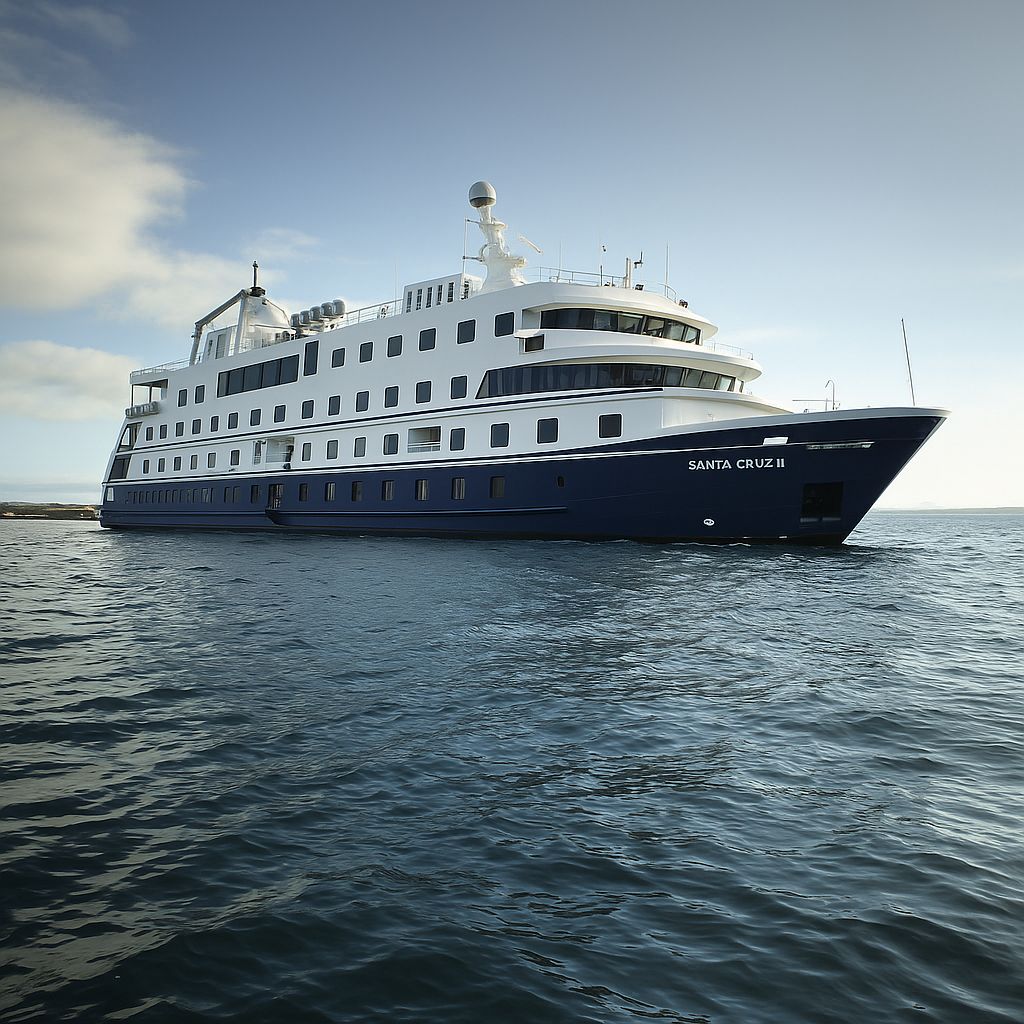
Galapagos cruise cancellation policies follow a standard escalating penalty structure: forfeit the deposit if you cancel 90-plus days out, lose 50 percent of the total fare between 60 and 90 days, and lose 100 percent inside 60 days. Illness, flight problems, and natural disasters do not change these penalties unless travel insurance covers them. If the operator cancels, you are entitled to a full cash refund or an equivalent rebooking. Some operators offer Future Cruise Credits instead of cash on operator-initiated cancellations; always ask which you will receive. The transfer and rebooking option, available on some vessels before the penalty window opens, is the single most underused tool when plans change.
Standard Galapagos Cruise Cancellation Penalty Schedule
| Days Before Departure | Typical Penalty | What You Lose |
|---|---|---|
| More than 90 days | Deposit only (20 to 30%) | The deposit is forfeited. Balance, if already paid, is refunded. This is the lowest-penalty window and the right time to cancel if plans must change. |
| 60 to 90 days | 50% of total fare | Half the full cruise cost is retained regardless of how much you have paid. If only the deposit was paid, you owe the balance up to 50%. |
| Less than 60 days | 100% of total fare | The full cruise cost is retained. No refund under any circumstances, including illness, flight cancellation, or natural disaster. |
| Last-minute booking (inside 60 to 90 days) | 100% non-refundable from the moment of booking | No refund from the moment you pay, regardless of when or why you cancel. |
Penalty structure varies by operator. Some tighten penalties to 100% at 90 days rather than 60. Always confirm the specific schedule before paying any deposit. Verified September 2026.
How Do Galapagos Cruise Cancellation Policies Work?
Galapagos cruise cancellation policies work on an escalating penalty structure tied to the number of days before departure. The further out you cancel, the less you lose. The policy is set by the vessel operator, not the booking agency, and applies regardless of which channel you used to book. Cancellation must always be submitted in writing; verbal notice is not accepted by any operator as the effective cancellation date.
The underlying logic of the escalating penalty structure is the operator’s cost exposure. When you cancel more than 90 days before departure, the operator typically has time to resell your cabin and limit their loss. When you cancel inside 60 days, the operator has already fully provisioned the vessel, committed the crew, and lost the opportunity to sell your cabin to another passenger. The 100 percent penalty inside 60 days is not punitive; it reflects the operator’s genuine economic loss from your last-minute decision.
The written cancellation requirement is practical and important. The effective date of cancellation is the date the operator receives your written notice, not the date you decided to cancel or the date you called to discuss it. If you contact your booking agent by phone on a Friday afternoon to say you need to cancel, the effective date may not be processed until Monday when the office reopens. Two days can make a significant difference to which penalty band applies. Send cancellation notice in writing, by email, and request written confirmation that the notice was received and the effective date recorded. Keep that confirmation.
One structural difference between Galapagos operators and mainstream cruise lines: Galapagos operators rarely offer refundable-fare options at a higher price point as an alternative to the standard non-refundable structure. Mainstream cruise lines like Celebrity Cruises (on their non-Galapagos voyages) offer a choice between a discounted non-refundable rate and a higher refundable rate. On Celebrity Flora’s Galapagos sailings specifically, the 160-day final payment deadline and the Galapagos-specific contract terms create a tighter structure than Celebrity’s standard ocean-cruise policies. Always treat a Galapagos booking as a non-refundable commitment from the moment the deposit is paid.
The specific cancellation penalty schedule for any cruise we recommend is included in the written quote we provide, not buried in a terms and conditions URL. Understanding exactly what you are committing to before the deposit is paid is part of the service we offer. Fill out this short form and we will include the full cancellation terms alongside the cruise recommendation we make for you.
Not sure whether a Galapagos cruise booking agency adds genuine value or just takes a cut of what you’d pay anyway? Here’s a straight breakdown on booking agencies vs booking direct for a Galapagos cruise.
What Are the Standard Cancellation Penalty Timelines?
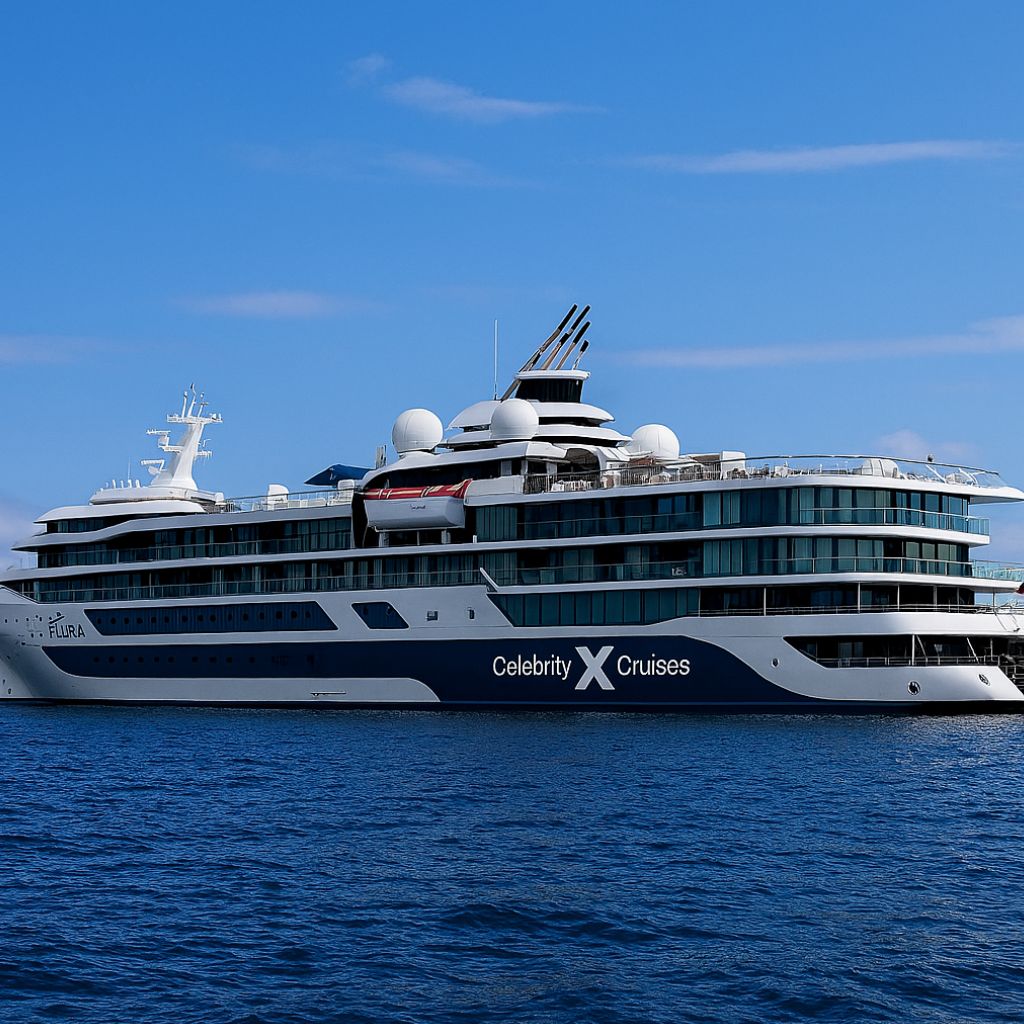
Most Galapagos mid-range and budget operators use a three-band structure: deposit forfeited if cancelled more than 90 days out, 50 percent of the total fare if cancelled between 60 and 90 days, and 100 percent inside 60 days. Some operators tighten this: Galapagos Islands Travel Center applies a 30 percent penalty beyond 90 days (rather than deposit only), then 100 percent inside 90 days. Celebrity Flora applies a 75-plus-days full refund window, then escalating penalties as the 160-day final payment deadline passes. Always read the specific operator’s schedule, not the industry average.
The 90-day threshold is the most important date in any Galapagos cruise booking because it marks the boundary between a recoverable cancellation (deposit lost, balance recovered) and a significantly punishing one (50 percent or more of the total fare). A traveler who paid a $4,500 per person cruise in full and cancels at 91 days before departure loses their $1,125 deposit but recovers $3,375. The same traveler who cancels at 89 days before departure loses $2,250. Two days cost $1,125. Knowing this boundary and treating it as a hard commitment point is essential financial planning for anyone booking a Galapagos cruise.
The specific language in the Cruise to Galapagos operator terms illustrates how operators frame their cancellation policy without exceptions: “No refund will be provided for cancellation due to cancelled, delayed or missed flights; penalties for cancellation do not change in case of illness or natural disasters.” This is not unusual fine print. It is the standard position across the Galapagos fleet. The operator is not your insurer. The policy is designed to be covered by travel insurance, not to be flexible in response to individual circumstances.
What Happens If You Need to Cancel Last Minute?
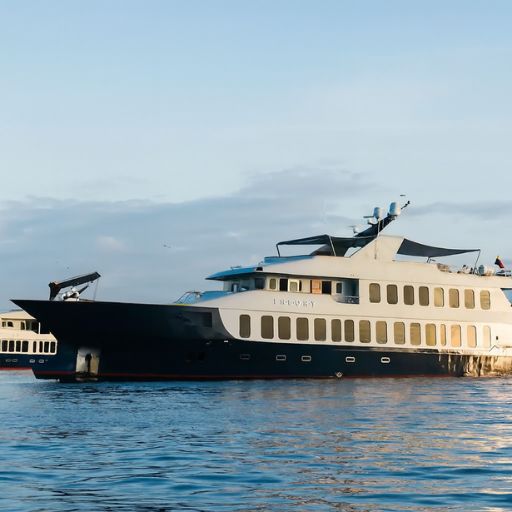
Cancelling inside 60 days means forfeiting 100 percent of the cruise fare with no refund. Cancelling on the day of departure or during the cruise means the same: full loss. The only path to financial recovery from a last-minute cancellation is travel insurance that covers the specific reason for cancellation. Without insurance, a last-minute medical emergency, a family bereavement, or a missed connecting flight costs you the entire cruise fare. There are no goodwill exceptions, no partial credits, and no appeals process that reliably produces a different outcome.
The missed flight scenario is the last-minute cancellation situation travelers most underestimate. A delayed or cancelled international flight that causes you to miss your Galapagos domestic connection and therefore your cruise departure does not trigger any operator refund or credit. The operator’s vessel departs on schedule. Your cabin may or may not be held for you to join in transit if the cruise visits a port where you could board later, but that is at the operator’s discretion and depends entirely on the itinerary. The standard outcome is: missed the departure, full cruise cost forfeited. Getting to Ecuador at least one day before the cruise departure, rather than arriving in Quito on the same day as the domestic Galapagos flight, is the operational mitigation. The insurance is the financial mitigation if something still goes wrong.
Force majeure events from the traveler’s side (natural disasters, pandemics, government travel restrictions) do not automatically trigger refunds from Galapagos operators. The force majeure clauses in operator contracts protect the operator from liability when they need to cancel; they do not protect the traveler when the traveler needs to cancel. Ecoventura’s post-pandemic FCC policy, which provides a penalty-free future cruise credit when Ecuador closes its borders or when your country of residence prohibits travel to Ecuador, is a meaningful consumer protection for government-mandated travel restrictions specifically. It does not apply to personal reasons, and it applies only when a government action specifically targets Ecuador travel, not general travel uncertainty.
If you are considering cancelling a Galapagos cruise you have already booked, or you are weighing whether to book given uncertainty about your travel dates, we can walk you through the specific penalty schedule for your vessel and help you understand what options are available. Reach out here and we will give you an honest assessment of where you stand.
What If the Operator Cancels Your Galapagos Cruise?
If the operator cancels your departure, you are entitled to a full cash refund of everything paid. This is the consumer protection counterpart to the strict passenger cancellation terms: the obligations run both ways. In practice, some operators offer a Future Cruise Credit as an alternative to a cash refund on operator-initiated cancellations. Always ask specifically for cash and confirm in writing which you will receive. An FCC is not the same as money back, and its value depends on whether you can use it within the validity window.
Operator cancellation triggers in the Galapagos context include minimum passenger thresholds not met, mechanical or vessel failure, GNPD permit issues, force majeure events, and commercial decisions. When the operator cancels for any of these reasons, the traveler who receives a cash refund is made whole. The traveler who receives an FCC is in a different position: they hold a credit with an expiry date, applicable only to future bookings with the same operator, and only if a suitable departure is available within the validity window.
The FCC validity period matters enormously. An FCC valid for 12 months from the original departure date sounds generous but may create a genuine problem if your schedule does not permit a Galapagos trip within that window. An FCC from a quality operator that you cannot use is worth zero. When an operator offers you an FCC on a cancelled booking, asking for cash first is always the right starting position. Many operators will provide cash if asked directly; the FCC offer is a default, not a requirement.
The Celebrity Cruises model when they cancelled the Celebrity Xpedition and Celebrity Xploration sailings in late 2024 is instructive. Affected guests were given the option to rebook on Celebrity Flora, move to a future sailing, or receive refunds. The company also reimbursed non-refundable change fees on pre-purchased transportation up to $400 per person. This is the standard a responsible large operator sets on operator-initiated cancellation: flexibility, a rebooking option, and compensation for consequential costs. Smaller independent Galapagos operators cannot always match this standard, but the right to a full cash refund on operator cancellation is a reasonable minimum expectation regardless of vessel size.
Can You Transfer or Rebook Instead of Cancelling?
Some Galapagos operators permit a date transfer or passenger name change as an alternative to cancellation, typically only before the penalty window opens and only in specific circumstances. A date transfer moves your booking to a different departure on the same vessel; a name change substitutes one passenger for another. Both are treated as cancellations and new bookings by many operators, triggering the cancellation penalty. Some operators permit one penalty-free change with sufficient advance notice. Always ask about the transfer policy before paying a deposit, not when you need to use it.
The transfer window timing is critical. Ecoventura’s FCC policy for government travel restriction scenarios is penalty-free for dates up to 12 months from the original departure. For personal reasons, their standard cancellation penalties apply. Most mid-range operators do not publish a formal date transfer policy; the answer to “can I move my booking to a different departure?” depends on how far in advance you ask and the goodwill of the specific operator. Asking 100 or more days before departure when no penalty has applied yet produces a different response than asking at 75 days when the 50 percent penalty is imminent.
Passenger name changes are treated particularly strictly. The standard position across the Galapagos fleet is that a name change is treated as a cancellation and new booking, which means the penalty schedule from the original booking date applies to the cancellation. A traveler who booked ten months ago and needs to substitute one passenger for another at two months before departure faces the full 100 percent cancellation penalty on the original booking plus a new full-price booking for the replacement passenger. Some operators accommodate a single penalty-free name change with very early notice; this is the exception, not the rule, and must be confirmed in writing before it is relied upon.
If your plans have changed and you are trying to understand your options on an existing booking, whether to transfer, rebook, or manage a cancellation, the practical advice depends on the specific vessel and how far out you are from departure. Send us a message here and we will help you navigate the options available for your specific situation.
What Does Travel Insurance Actually Cover for Galapagos Cancellation?

Standard trip cancellation insurance covers cancellation for specific covered reasons: illness or injury of the traveler or a close family member, death of a family member, jury duty, job loss, and natural disaster affecting the destination. It does not cover change of mind, work schedule conflicts, or fear of travel. Cancel-for-any-reason (CFAR) insurance covers any reason but typically reimburses only 50 to 75 percent of the insured cost. For a Galapagos cruise, buy the policy at the same time as the deposit and insure the full cruise cost including park fees and domestic flights.
The specific covered-reason list varies by policy and insurer. Reading the certificate of coverage before buying, not after a cancellation event occurs, is the only way to know whether your specific scenario is covered. The covered reasons that matter most for Galapagos travel: medical cancellation (the most common covered event), mandatory quarantine or travel restrictions imposed by governments (relevant for pandemic-era scenarios), and natural disasters affecting either the origin or destination. Covered reasons that travelers assume are included but often are not: pre-existing medical conditions (most standard policies exclude these unless a waiver is purchased), cancellation due to work obligations, and cancellation due to anxiety or fear of travel.
The pre-existing condition exclusion is the most consequential gap in standard trip cancellation insurance for Galapagos travelers. If you have a heart condition, diabetes, or any chronic medical issue and you cancel due to a health event related to that condition, standard policy will likely deny the claim. A pre-existing condition waiver eliminates this exclusion and is available from most major travel insurers if the policy is purchased within 10 to 21 days of the initial deposit payment. This waiver must be purchased early; it is not available after the fact.
We’ve got a full breakdown on Galapagos cruise deposit and payment policies if you want to know exactly what operators typically require upfront, when the balance is due, and what the fine print usually says about cancellations.
How Do Cancellation Policies Differ Across Vessel Classes?
Luxury and first-class vessels generally have stricter cancellation policies than mid-range and budget boats because their higher per-cabin revenue creates more pressure to enforce the penalty schedule. Celebrity Flora’s 160-day final payment deadline and strict Galapagos-specific contract terms represent the tightest structure in the fleet. Mid-range and budget operators typically use the standard 90/60-day structure. The most meaningful difference is not the penalty percentages but the final payment deadline, which determines how far in advance you are fully committed.
| Vessel Class | Final Payment Due | 100% Penalty Kicks In | FCC Option Available? |
|---|---|---|---|
| Celebrity Flora (luxury) | 160 days before departure | 75 days before departure | Depends on fare type; refundable fares available at higher price |
| Ecoventura (luxury) | 91 days before departure | 90 days before departure | FCC available penalty-free for government border closures only |
| First-class vessels (HX Santa Cruz II, Quasar) | 90 days before departure | 60 days before departure | Varies by operator; confirm before booking |
| Mid-range and budget vessels | 60 to 90 days before departure | 60 days before departure | Rarely. Cash refund on operator cancellation is standard; no FCC on personal cancellation. |
Policy details are approximate. Always confirm the exact cancellation schedule with your specific operator before booking. Verified September 2026.
What Travelers Say About Galapagos Cruise Cancellation (Our Data)
From feedback collected through mytrip2ecuador.com and our YouTube audience:
| Finding | % Named It | Pattern |
|---|---|---|
| Did not know the 90-day threshold before booking | 58% | More than half of travelers were unaware of the specific day threshold at which the penalty jumped from deposit-only to 50 percent of the total fare. Among those who did cancel, several did so 2 to 5 days inside the threshold, losing thousands more than necessary. |
| Insurance covered the cancellation loss | 21% | One in five travelers who cancelled reported that travel insurance reimbursed the loss, either fully or partially. Medical cancellation was the most common covered event. Travelers who bought CFAR policies had the broadest coverage and fewest disputes. |
| Operator offered FCC instead of cash on operator cancellation | 34% | Among travelers whose operator cancelled their departure, 34 percent reported being offered an FCC rather than a cash refund as the default first option. Travelers who specifically asked for cash received it in most cases. |
| Date transfer avoided the cancellation penalty | 16% | Among travelers whose plans changed, 16 percent successfully transferred their booking to a different departure date without penalty, all having made the request more than 100 days before the original departure. Those who waited until inside 90 days were not offered the same flexibility. |
Frequently Asked Questions
What is the cancellation policy for most Galapagos cruises?
The standard structure is: forfeit the deposit (20 to 30 percent) if cancelled more than 90 days before departure; forfeit 50 percent of the total fare between 60 and 90 days out; forfeit 100 percent inside 60 days. Last-minute bookings made inside 60 to 90 days are 100 percent non-refundable from the moment of booking. Illness, flight problems, and natural disasters do not change these penalties without travel insurance.
What happens if I cancel a Galapagos cruise due to illness?
The standard operator cancellation penalty applies regardless of the reason. Illness does not create an exception. The financial protection against medical cancellation comes from travel insurance, not from the operator. Standard trip cancellation insurance covers illness and injury for the traveler and close family members, subject to the covered-reason list in the specific policy.
What happens if the operator cancels my Galapagos cruise?
You are entitled to a full cash refund of everything paid. In practice, some operators offer a Future Cruise Credit as the default first option. Always ask specifically for cash and confirm in writing. An FCC has value only if you can use it within the validity period (typically 12 months from the original departure date). If you cannot rebook within that window, the FCC is worthless.
Can I transfer my Galapagos cruise booking to a different date?
Some operators permit a penalty-free date transfer if requested early enough, typically more than 90 to 100 days before departure. Most operators treat date changes as cancellations and new bookings, triggering the penalty schedule. Name changes are almost universally treated as cancellations. Ask about the transfer policy before paying any deposit, not when you need to use it.
Does cancel-for-any-reason insurance cover a Galapagos cruise?
Yes. CFAR (cancel-for-any-reason) insurance covers cancellation regardless of the reason and typically reimburses 50 to 75 percent of the insured cost. It must be purchased within a specified window after the initial deposit (usually 10 to 21 days) to be valid. It costs 40 to 60 percent more in premium than standard trip cancellation insurance. For a trip where the 100 percent penalty kicks in 60 days out, a 75 percent CFAR reimbursement is significantly better than no coverage.
Booking a Galapagos Cruise and Want the Cancellation Terms Explained Clearly?
We include the full cancellation penalty schedule for every cruise we recommend alongside the quote, in plain language. No searching through terms-and-conditions PDFs. We also flag the final payment deadline as a calendar reminder so no one loses their deposit to a missed due date. Cruises To Galapagos Islands is rated 4.9 stars on Google and TripAdvisor. Every conversation is free with no commitment. Fill out the contact form and we will include the full payment and cancellation picture alongside the cruise recommendation we make for you.
Written by Oleg Galeev
Galapagos cruise traveler (3 trips, 2 cruises) · Founder, Cruises To Galapagos Islands
Oleg has navigated cancellation scenarios across multiple operators and documents Ecuador travel on mytrip2ecuador.com and the YouTube channel My Trip to Somewhere.
Cruises To Galapagos Islands is rated 4.9 stars on Google and TripAdvisor.
Cancellation policies change frequently. Always confirm current terms with your specific operator before booking.