
Combining a Galapagos Cruise With Machu Picchu: Is It Worth It?
Quick Summary
Yes, a Galapagos cruise and Machu Picchu can be combined in one trip, and for the right traveler it is one of the great South American journeys. Peru and Ecuador are neighboring countries connected by direct flights. A minimum of 14 days is needed to do both properly: 7 to 8 days for a worthwhile Galapagos cruise, 3 to 4 days for the Machu Picchu sequence including Cusco and the Sacred Valley, and transit days between. The main challenges are altitude (Cusco sits at 3,400m, significantly higher than Quito), cost (a realistic all-in budget is $6,000 to $12,000 per person before international flights), and the risk of rushing either destination. Do Peru first, Galapagos second: altitude logic and trip energy both point in this direction.
Galapagos Plus Machu Picchu: At a Glance
| Factor | Galapagos Cruise | Machu Picchu / Peru |
|---|---|---|
| Primary experience | Wildlife and nature. Endemic species found nowhere else. Active excursions twice daily in equatorial Pacific. | Culture, history, and landscape. Inca archaeological sites. Sacred Valley, Cusco colonial heritage, and Andean mountain scenery. |
| Altitude | Sea level throughout. No altitude adjustment required on the islands. | Cusco: 3,400m / 11,154 feet. Sacred Valley: 2,800 to 3,000m. Machu Picchu citadel: 2,430m. Significant altitude management required. |
| Minimum days needed | 7 to 8 days for a full cruise. 5-day cruises are possible but limit island coverage. 4-day cruises are too short for most travelers. | 4 to 6 days: 1 to 2 in Lima, 1 in Sacred Valley, 1 to 2 in Cusco, 1 at Machu Picchu. Fewer than 4 days rushes the altitude acclimatization. |
| Transit between destinations | Galapagos to Lima: fly Baltra or San Cristobal to Guayaquil, then Lima. Approximately 4 to 5 hours total travel. | Lima or Cusco to Ecuador: fly Cusco to Lima, then Lima to Quito or Guayaquil. Approximately 5 to 7 hours total travel including connection. |
| Best season | June to November (cool, calm seas, excellent diving, penguins and sea lions most active). December to May (warm water, sea turtle nesting, whale sharks in warm season). | May to October (dry season: clear skies, best hiking, no rain at Machu Picchu). November to April (wet season: lush landscapes, fewer crowds, Inca Trail may be wetter). |
| Recommended sequence | Do the Galapagos second. End the trip at sea level after high-altitude Peru. Body and energy both benefit from this sequence. | Do Peru first. Tackle the highest altitude early when fresh. Machu Picchu as an intermediate altitude break before Cusco helps acclimatization. |
All altitude figures from official and medical sources. Verified September 2026.
Can You Combine a Galapagos Cruise With Machu Picchu in One Trip?
Yes. Peru and Ecuador are neighboring countries on South America’s Pacific coast, connected by direct flights between Lima and Quito or Guayaquil. The combination is logistically coherent: you make one long-haul flight to South America, cover both destinations in a single journey, and fly home without backtracking. Most combined itineraries run 14 to 16 days. The Galapagos and Machu Picchu are the two most iconic natural and cultural destinations in South America, and visiting both in one trip is a realistic goal for travelers with the time and budget to do it properly.
The logical appeal of combining both destinations is geographic. Lima, Peru’s capital and the standard entry point for Machu Picchu, is connected to Quito and Guayaquil by direct flights of 3 to 4 hours operated by LATAM, Avianca, and Copa. Many travelers who fly from North America or Europe to see Machu Picchu pass through or near Ecuador anyway. Adding the Galapagos cruise to a Peru trip does not require a separate long-haul flight from home. It requires one inter-South American leg between Lima and Ecuador, which adds a travel day and approximately $200 to $400 per person in additional flights booked several months ahead.
The honest caveat is time. Fourteen days sounds like a lot until you break it down: 7 to 8 days for a worthwhile Galapagos cruise, 4 to 5 days for Lima, the Sacred Valley, Cusco, and Machu Picchu with adequate altitude acclimatization, and 2 transit days connecting the two destinations. That is 13 to 15 days of actual travel, which fills a typical 2-week vacation to the point where any delays or itinerary changes create pressure. Travelers with only 10 days need to make genuine trade-offs, either a shorter 5-day cruise or a compressed Peru sequence that risks altitude problems.
We help travelers design the Galapagos component of this combined itinerary and can coordinate with Peru-side operators to ensure the two legs connect cleanly. The cruise selection, departure date, and which Galapagos airport you fly out of all affect how the Peru connection works. Fill out this short form and tell us you are planning a combined Peru and Galapagos trip so we can factor the routing into the cruise recommendation we make.
Both cities work as gateways but they offer very different experiences for the day or two before you board. Here’s a guide on flying into Quito or Guayaquil so you choose the right one.
How Do You Get From the Galapagos to Machu Picchu (or Vice Versa)?
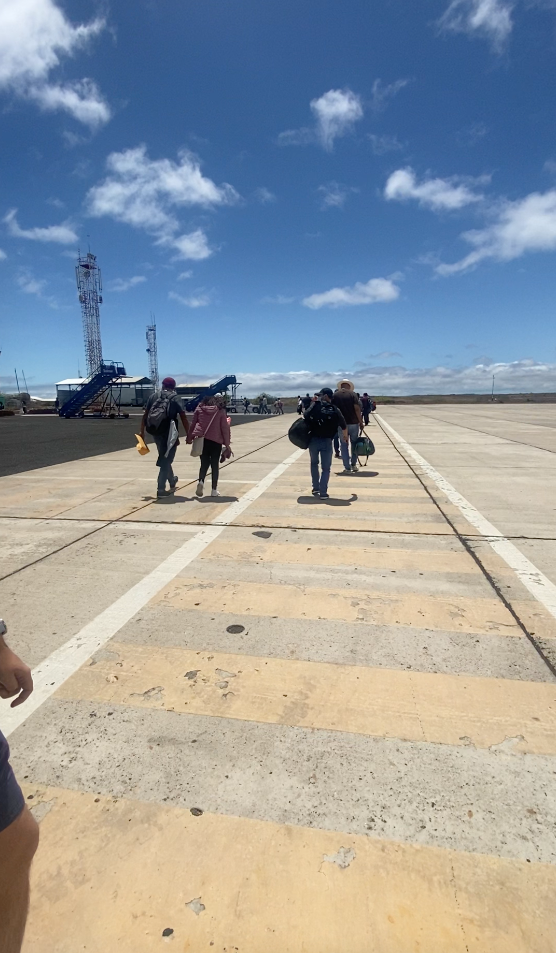
There is no direct flight between the Galapagos and Peru. The standard routing is: Galapagos (Baltra or San Cristobal airport) to Guayaquil, then Guayaquil or Quito to Lima, then Lima to Cusco by domestic flight. In the other direction: Cusco to Lima, Lima to Quito or Guayaquil, Quito or Guayaquil to Galapagos. This routing typically requires one transit day between destinations and involves two to three flight segments. Budget one full day for the Peru-to-Ecuador or Ecuador-to-Peru connection.
The Cusco-to-Ecuador leg is the specific connection most travelers underestimate. Flying out of Cusco requires going through Lima first: a 1.5-hour domestic flight from Cusco (CUZ) to Lima (LIM), followed by a connection to Quito (UIO) or Guayaquil (GYE). If you are departing Cusco in the morning and catching an afternoon Lima-to-Ecuador connection, the timing works. If Cusco departures are delayed or the Lima connection is tight, you may end up spending a night in Lima unexpectedly. Building a Lima overnight into the itinerary deliberately, rather than hoping the connection works, is the safer approach and has the bonus of giving you time to see Lima’s excellent restaurant scene and Miraflores waterfront.
The direction of the connection matters less logistically than it does for altitude management. Flying Lima to Cusco puts you immediately at 3,400m from sea level. Flying Cusco to Lima puts you at sea level before the Galapagos. The altitude implications of the sequence are covered in the “Which Should You Do First” section below. From a pure flight perspective, either direction uses the same airports and roughly the same number of connections.
We’ve got a full breakdown on the Quito layover guide for Galapagos cruise travelers if you want to know exactly which neighborhoods, day trips, and experiences are worth fitting into a short pre-cruise stop.
How Long Does a Galapagos Plus Machu Picchu Trip Take?
A minimum of 14 days is needed to do both destinations properly without rushing either. The ideal length is 16 to 18 days, which allows an 8-day Galapagos cruise, a 5 to 6 day Peru sequence with adequate altitude acclimatization, and 2 transit days. Trips shorter than 12 days force significant trade-offs: a 5-day cruise instead of 8, or a compressed Peru itinerary that skips the Sacred Valley acclimatization and risks altitude problems in Cusco.
| Trip Length | Galapagos Cruise | Peru Sequence | Assessment |
|---|---|---|---|
| 10 to 11 days | 5-day cruise | Lima, 1 night Sacred Valley, Machu Picchu, 1 night Cusco | Feasible but rushed. 5-day cruise limits island coverage. Compressed Peru schedule risks altitude issues. Only recommended if vacation days are the genuine constraint. |
| 14 days | 7 to 8-day cruise | Lima, Sacred Valley, Machu Picchu, 2 nights Cusco | The minimum that works well. Allows a full cruise and proper acclimatization in Peru. No buffer for delays or itinerary adjustments. |
| 16 to 18 days | 8-day cruise | Lima, Sacred Valley, Machu Picchu, 2 to 3 nights Cusco, optional Amazon or Quito extension | The ideal length. Full cruise, unhurried Peru, Quito or other Ecuador extension, and a buffer day. Recommended for first-time visitors to both destinations. |
| 21 or more days | 8-day cruise plus Quito and cloud forest or Amazon extension | Full Peru itinerary including Lima, Sacred Valley, Cusco, Machu Picchu, and potentially the Inca Trail or Lake Titicaca | A comprehensive South America journey. Suited to travelers for whom this is a once-in-a-lifetime trip and who can invest the time. Exceptional value for the long-haul flight. |
Day counts include transit days. Verified September 2026.
The cruise length you choose has the largest single impact on the overall trip length, and the cruise length affects which islands you visit and how much of the Galapagos wildlife you encounter. We can explain what a 5-day versus 7-day versus 8-day cruise delivers in practice so you can make the right trade-off for your available time. Reach out here and tell us your total available days and we will help you design the right split.
Not sure whether you can stay on in the Galapagos after your cruise or which islands are worth basing yourself on for a few extra days? Here’s a straight breakdown on extending your Galapagos cruise stay on the islands.
What Does a Galapagos and Machu Picchu Combination Trip Cost?
A realistic all-in budget for a 14-day combined trip at mid-range is $6,000 to $9,000 per person, excluding international flights from home. Luxury versions run $12,000 to $20,000 or more per person. The largest single cost is the Galapagos cruise, which ranges from $2,500 to $5,500 per person at mid-range and $6,000 to $15,000 at luxury. Peru adds $1,500 to $3,000 per person for hotels, the train to Machu Picchu, guides, and entry fees. Inter-South American flights add $400 to $700 per person. The Galapagos park entrance fee of $200 per person (cash, paid on arrival) is additional on every vessel.
| Cost Component | Mid-Range (per person) | Luxury (per person) | Notes |
|---|---|---|---|
| Galapagos cruise (7 to 8 days) | $2,500 to $5,500 | $6,000 to $15,000+ | All meals included on every vessel. Alcohol and tips extra on most mid-range vessels. |
| Galapagos park entrance fee | $200 (cash, on arrival) | $200 (cash, on arrival) | Fixed fee for all visitors. Some operators include this; most do not. Bring USD cash. |
| Peru: Lima, Sacred Valley, Cusco, Machu Picchu (5 to 6 days) | $1,500 to $3,000 | $4,000 to $8,000+ | Includes hotels, inca rail train ticket ($100 to $200), Machu Picchu entry ($55 to $75), private guide, and internal Peru flights. |
| Inter-South American flights (Lima to Ecuador) | $200 to $400 | $200 to $500 | Lima to Quito or Guayaquil. Book 2 to 3 months ahead for best fares. Business class available on some routes. |
| Galapagos domestic flight (mainland to islands) | $200 to $350 | $200 to $350 (or included in luxury packages) | LATAM or Avianca from Quito or Guayaquil to Baltra or San Cristobal. Some luxury operators include this. |
| Total (excluding international flights home) | $4,600 to $9,250 | $10,600 to $24,050+ | International flights from North America add $600 to $1,200 per person. From Europe add $800 to $1,800. |
Prices are per person, double occupancy. Based on 2026 operator pricing. Book Galapagos cruise 6 to 12 months ahead for preferred dates and vessels. Machu Picchu entry tickets and Huayna Picchu permits sell out quickly; book well in advance.
Which Should You Do First: Galapagos or Machu Picchu?
Do Peru and Machu Picchu first, then the Galapagos. Two independent reasons point to this sequence: altitude logic and trip energy. Cusco at 3,400m is significantly harder on the body than Quito at 2,850m, and tackling the highest altitude early, when you are fresh, reduces the risk of altitude symptoms undermining the experience. The Galapagos cruise is physically active but sea-level throughout, making it a natural place to decompress after the Andean highland sequence. Ending the trip at sea level on warm Pacific waters is a satisfying physical and emotional conclusion.
The altitude argument is the stronger of the two. Flying from sea level (Lima, where most travelers begin their Peru journey) to Cusco at 3,400m is a significant jump that causes mild to moderate altitude symptoms in a large proportion of visitors during the first 24 to 48 hours. The recommended mitigation is: fly to Lima first, spend a night or two at sea level, then fly to Cusco. On arrival in Cusco, transfer immediately down to the Sacred Valley at 2,800m to 3,000m, sleep lower for one to two nights, then ascend to Cusco and on to Machu Picchu. Machu Picchu itself at 2,430m is lower than Cusco, making it a breathing point in the altitude sequence before the higher Cusco stay. This acclimatization sequence takes 4 to 5 days through Peru and is genuinely necessary for most travelers rather than optional.
After completing Peru, you fly to Ecuador and the Galapagos at sea level. The altitude reset is immediate and complete: the Galapagos cruise involves no altitude at all. The contrast between the cold, thin air of the Andean highlands and the warm, equatorial Pacific wildlife experience is one of the most striking transitions in travel. Travelers who do the Galapagos first and then fly to Cusco face the opposite: trading the sea-level warmth of the islands for the 11,000-foot cold of the Andes at the end of a tiring trip, when energy and physical reserves are lowest.
The sequence of the two destinations affects which cruise departure dates work and which Galapagos airport you use on departure. These logistics are simpler to work through before booking than after, and getting the cruise dates right is the most time-sensitive part of the whole itinerary since good Galapagos cabins sell out 6 to 12 months ahead. Send us a message here with your approximate travel dates and we will confirm which cruise departures fit your Peru sequence.
What Are the Challenges of Combining Both Destinations?
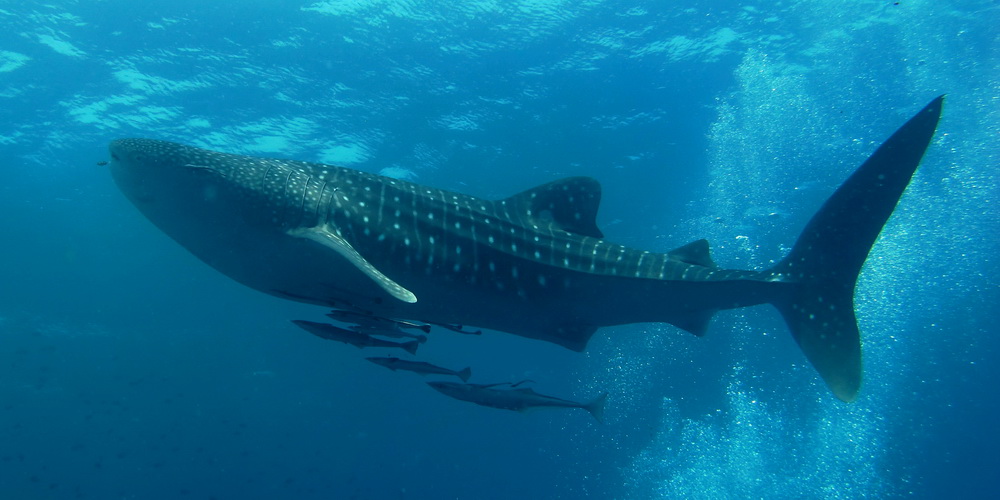
The three main challenges are altitude management, minimum trip length, and advance booking lead time. Altitude is the most important: Cusco at 3,400m requires a deliberate acclimatization sequence that cannot be compressed without risking altitude sickness. Minimum trip length is the most common constraint: fewer than 14 days forces genuine trade-offs on cruise length or Peru depth. Advance booking is the most often underestimated: quality Galapagos cruise cabins sell out 6 to 12 months ahead, and Machu Picchu entry tickets and Huayna Picchu permits also sell out well in advance.
The Machu Picchu entry ticket logistics changed significantly in 2022 and remain tightly managed. Daily visitor numbers to the citadel are capped, tickets are sold by time slot and circuit, and the most popular circuits sell out weeks in advance during high season (June to August). The iconic Huayna Picchu mountain climb and Machu Picchu Mountain require separate permits with very limited daily capacity that sell out months ahead. Travelers who arrive in Aguas Calientes planning to buy tickets at the gate will find this is no longer possible. Book Machu Picchu tickets through the official Peru Ministry of Culture ticketing system or through a certified Peruvian tour operator well before your departure date.
Climate misalignment between the two destinations is a secondary challenge worth understanding. The Galapagos has two seasons: the warm, wet season from December to May (green vegetation, warm water, whale sharks in the northwest) and the cool, dry season from June to November (cooler, calmer seas, excellent diving, sea lion and penguin activity). Peru’s best season for Machu Picchu is the dry season from May to October. June to September overlaps well for both destinations and is the most popular combined window. The trade-off is that June to September is also peak season for both, meaning higher prices and more competition for Machu Picchu permits and good Galapagos cruise cabins.
What Travelers Say About the Galapagos Plus Machu Picchu Combination (Our Data)
From feedback collected through mytrip2ecuador.com and our YouTube audience, here is what travelers who combined both destinations reported:
| Finding | % Who Named It | Pattern Observed |
|---|---|---|
| Combination rated as one of best trips ever taken | 87% | The overwhelming majority of travelers who completed both destinations in one trip rated it among the most memorable travel experiences of their lives. The contrast between Inca culture and Pacific wildlife was consistently named as the defining characteristic. |
| Wished they had more time | 72% | Nearly three quarters of travelers, including those who spent 14 or more days, said in retrospect they wished they had more time on at least one of the two destinations. The most common trade-off regretted was a shorter Galapagos cruise to fit the itinerary. |
| Altitude in Cusco was harder than expected | 58% | More than half of travelers experienced altitude symptoms in Cusco that they rated as more significant than anticipated. Among those who followed the Sacred Valley first acclimatization sequence, the severity was substantially lower than those who flew directly to Cusco without time in lower-altitude areas. |
| Peru-first sequence felt right | 79% | Among travelers who did Peru first and Galapagos second, 79 percent said the sequence felt right. Among those who did Galapagos first, 54 percent said they would reverse the order on a return trip, citing the altitude transition as the main reason. |
| Would recommend the combination to others | 94% | An overwhelming majority of travelers who completed the combination would recommend it to other travelers with adequate time and budget, calling it one of the most efficient ways to experience two of the world’s most extraordinary destinations in a single South American journey. |
Is the Galapagos Plus Machu Picchu Combination Worth It?
Yes, for the right traveler with the right amount of time. The combination is the most efficient way to experience two of the world’s most extraordinary UNESCO World Heritage sites in a single South American journey. It works for travelers who have 14 or more days, are prepared for the altitude management that Cusco requires, and can invest $6,000 to $12,000 per person or more. It does not work for travelers with fewer than 12 days available, significant altitude sensitivity, or a budget that would require compromising seriously on either destination.
The two destinations complement each other in the specific way that the best combined itineraries do: they are completely different in character. Machu Picchu is stone and history and high-altitude mountain scenery, a monument to human civilization built at the limits of what humans can achieve at altitude. The Galapagos is sea-level wildlife and evolutionary wonder, a place where nature did not wait for humans and still does not notice them. The traveler who experiences both in one trip carries two completely different categories of awe back home, and the contrast between them makes each more vivid in memory.
The version of this combination that does not work is the rushed version. A 10-day trip that fits a 4-day Galapagos cruise, one night in Cusco, and one morning at Machu Picchu into a punishing schedule of flights and transfers produces neither experience at its best. If the vacation days are genuinely not available for 14 or more days, the better choice is to do one destination thoroughly this trip and save the other for a return journey. Both destinations are worth their own dedicated trip. Both are better experienced unhurried than rushed in combination.
Frequently Asked Questions
How long does a Galapagos and Machu Picchu combined trip take?
A minimum of 14 days is needed to do both properly: 7 to 8 days for a worthwhile Galapagos cruise, 4 to 5 days for Lima, Sacred Valley, Machu Picchu, and Cusco with adequate altitude acclimatization, and 2 transit days between destinations. Sixteen to eighteen days is the ideal length that removes the sense of rushing either destination.
Should I do the Galapagos or Machu Picchu first?
Do Peru and Machu Picchu first, then the Galapagos. Cusco at 3,400m is the highest-altitude point of the trip and is most manageable when you are fresh. The recommended Peru sequence is Lima (sea level) first, then Sacred Valley (2,800m), then Machu Picchu (2,430m), then Cusco (3,400m), then fly to Ecuador. Ending the trip at sea level on the Galapagos cruise is a natural and energetically satisfying conclusion.
How much does a Galapagos and Machu Picchu trip cost?
A realistic all-in budget excluding international flights from home is $6,000 to $9,000 per person at mid-range, and $12,000 to $24,000 or more at luxury. The largest cost is the Galapagos cruise ($2,500 to $5,500 per person mid-range). Peru adds $1,500 to $3,000. Inter-South American flights add $400 to $700. The Galapagos park entrance fee of $200 per person is additional.
How do you get between the Galapagos and Peru?
There is no direct flight. The standard routing is Galapagos (Baltra or San Cristobal) to Guayaquil, then Guayaquil or Quito to Lima, operated by LATAM, Avianca, or Copa. In the reverse direction: Cusco to Lima by domestic flight, then Lima to Quito or Guayaquil. Budget one full day for this connection and consider building in a Lima overnight rather than relying on a tight same-day connection.
What is the best season to do both the Galapagos and Machu Picchu?
June to September overlaps both destinations’ best seasons: Peru’s dry season produces clear skies and reliable access to Machu Picchu, and the Galapagos cool season from June to November brings calm seas, excellent diving visibility, and active sea lion and penguin colonies. This is also peak season for both, so book Galapagos cruise cabins 6 to 12 months ahead and Machu Picchu permits well in advance.
Planning a Galapagos and Machu Picchu Trip?
The Galapagos cruise is the most time-sensitive booking in a combined itinerary: quality cabins on the vessels we recommend sell out 6 to 12 months ahead for peak season departures. Getting the cruise booked first and building the Peru sequence around it is the approach that gives you the most flexibility. We specialize in the Galapagos component and can coordinate with Peru-side partners to make sure both legs connect. Cruises To Galapagos Islands is rated 4.9 stars on Google and TripAdvisor. Every conversation is free with no commitment. Fill out the contact form and tell us your approximate travel dates and interest in adding Peru so we can design the right combined itinerary for you.
Written by Oleg Galeev
Galapagos cruise traveler (3 trips, 2 cruises) · Founder, Cruises To Galapagos Islands
Oleg has documented travel across Ecuador and South America on mytrip2ecuador.com and the YouTube channel My Trip to Somewhere.
Cruises To Galapagos Islands is rated 4.9 stars on Google and TripAdvisor.
Altitude-related health information in this article is general guidance. Travelers with cardiovascular or respiratory conditions should consult a doctor before planning high-altitude itineraries.