
Galapagos Cruise Combined With a Quito City Tour
TL;DR
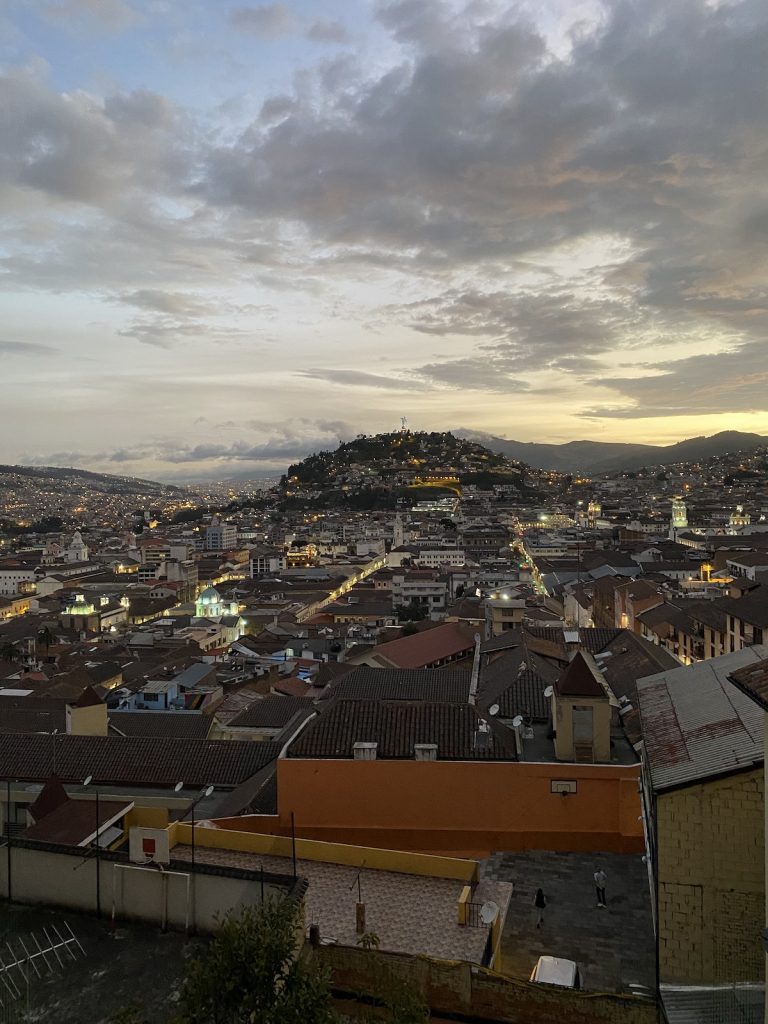
Quito is not just a transit stop on the way to the Galapagos. It is a UNESCO World Heritage Site with one of the best-preserved colonial centers in South America, and it sits at 2,850 meters above sea level, which means arriving with at least one buffer day before your cruise is sound logistics, not optional padding. Two nights before the cruise is the standard recommendation. One night after works well for travelers with energy left. The biosecurity airport process, TCT registration, and domestic flight timing all need to be understood before you land in Quito.
Quick Facts: Galapagos Cruise Combined With Quito
| Detail | What to Know |
|---|---|
| Quito altitude | 2,850 meters (9,350 feet) above sea level |
| Recommended Quito nights before cruise | 2 nights minimum; 1 night acceptable for healthy travelers with tight schedules |
| Recommended Quito nights after cruise | 1 to 2 nights depending on energy and onward travel |
| Park entrance fee | $200 per adult / $100 per child (under 12), USD cash – Prices verified September 14, 2026 |
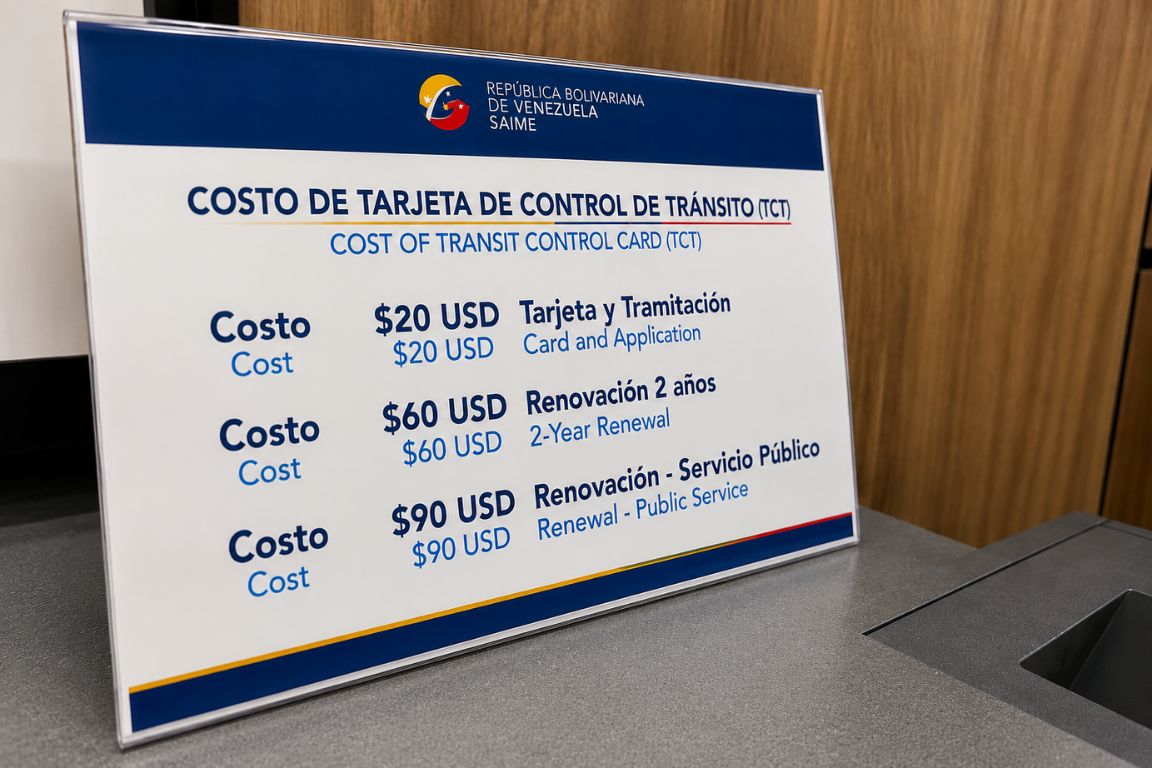
| Transit Control Card (TCT) | $20 per person, registered online before domestic flight – Prices verified September 14, 2026 |
| Biosecurity declaration (DJM) | Free, completed online within 48 hours before domestic flight; mandatory as of 2026 |
| Ecuador customs form (FRA) | Free, completed online before entering Ecuador; required since July 2025 |
| Biosecurity counter opening (Quito airport) | Approximately 4:20am; arrive at least 2.5 hours before domestic flight |
| Quito UNESCO designation | First city named UNESCO World Heritage Site (1978) |
| Best day trips from Quito | Middle of the World monument (30 min), Mindo cloud forest (2 hrs), Papallacta hot springs (1.5 hrs) |
Entry fees and requirements verified against cruisestogalapagosislands.com and official sources as of September 14, 2026.
Why Do Most Travelers Combine a Galapagos Cruise With a Quito City Tour?
The practical reason is unavoidable: all flights to the Galapagos depart from either Quito or Guayaquil. Quito is the default gateway for most international arrivals. The experiential reason is increasingly compelling: Quito was the first city ever designated a UNESCO World Heritage Site, in 1978, for its extraordinarily intact colonial center. Treating it as a transit stop is a missed opportunity that most travelers who have been there once would not repeat.
There is also an altitude argument that is more than tourism marketing. Quito sits at 2,850 meters, which delivers roughly 40 percent less oxygen than sea level. Travelers arriving from low-elevation cities and immediately boarding a Galapagos cruise, which involves daily physical excursions, wet landings, and open-water snorkeling, are asking their bodies to adapt to both a high-altitude environment and a physically demanding expedition simultaneously. Spending two nights in Quito first gives the body time to begin acclimatizing before the cruise starts, which makes the first two days on the islands feel considerably better.
The combination also makes economic sense. International flights to Ecuador route through Quito regardless. Adding two or three nights there costs the hotel, the city tour, and the meals. For a trip that is already crossing the Atlantic or the Pacific, that marginal addition adds proportionally little cost while adding a genuinely distinct experience.
How Many Days Should You Spend in Quito Before or After Your Galapagos Cruise?
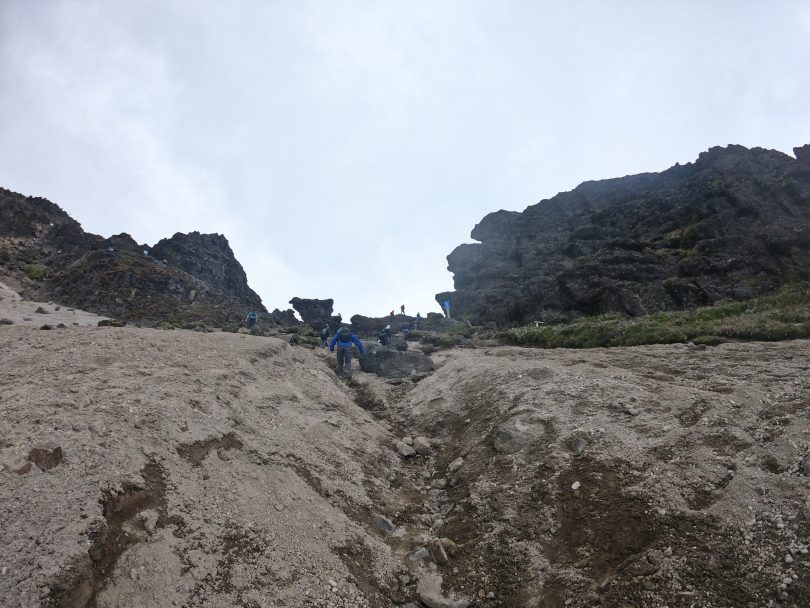
Two nights in Quito before your cruise is the standard recommendation and the one we give to almost every traveler. It gives you one full day to recover from international travel and begin acclimatizing to the altitude, plus a second full day to explore the city before heading to the airport for the early morning domestic flight. One night is possible for healthy travelers with tight schedules but leaves no margin for delayed international flights or altitude symptoms. One to two nights after the cruise works well for travelers who want a relaxed landing pad before their international departure.
The altitude question deserves more than a footnote. Quito at 2,850 meters produces mild but real symptoms in a significant proportion of visitors who arrive from sea level: headaches, shortness of breath on any exertion, disrupted sleep, and general fatigue are common in the first 24 to 48 hours. These symptoms are manageable and typically resolve on their own. The practical advice is consistent: take the first afternoon slowly, drink three liters of water daily, avoid alcohol on the first evening, eat light, and let the body adjust before doing anything strenuous. By day two, most travelers feel close to normal.
For travelers with a history of serious altitude sickness, Guayaquil at sea level is an alternative gateway that avoids the altitude question entirely. The tradeoff is that Guayaquil offers a less compelling city experience, and travelers who base there miss Quito’s colonial center, its day trip options, and the Andean landscape altogether.
The post-cruise Quito stay serves a different purpose. After 7 or 8 days on a small vessel, travelers return to Quito already acclimatized to the altitude and typically relaxed. One or two nights allows a gentle re-entry into mainland life: a proper restaurant meal, a morning in the old town, perhaps a final day trip. For travelers connecting internationally the morning after landing, one night in an airport-adjacent hotel is the efficient choice.
What Are the Best Things to Do in Quito for Galapagos Travelers?
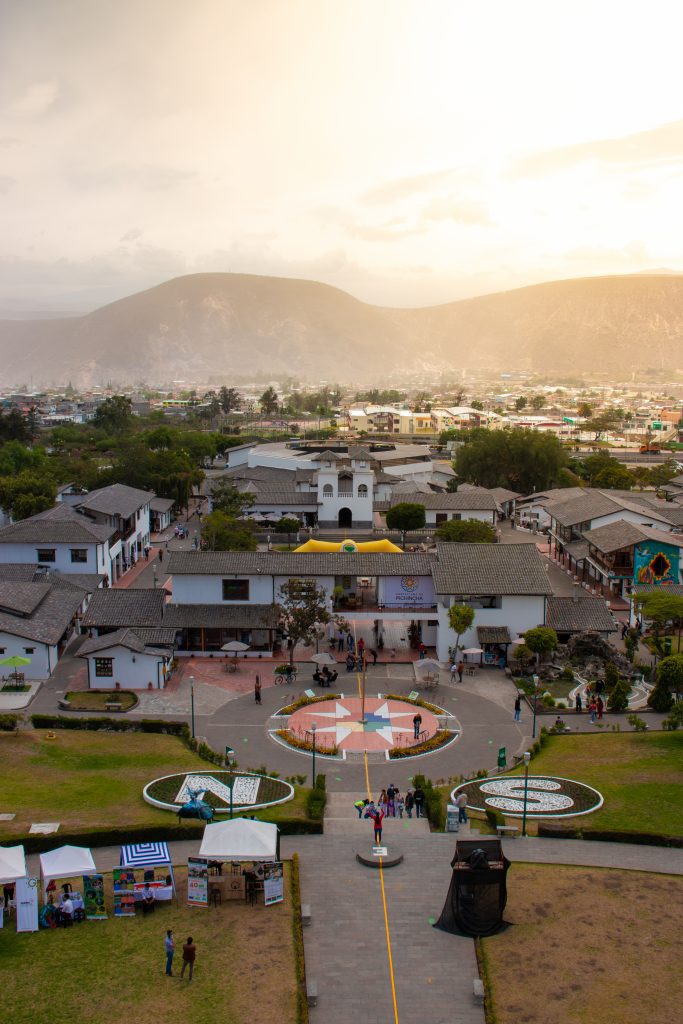
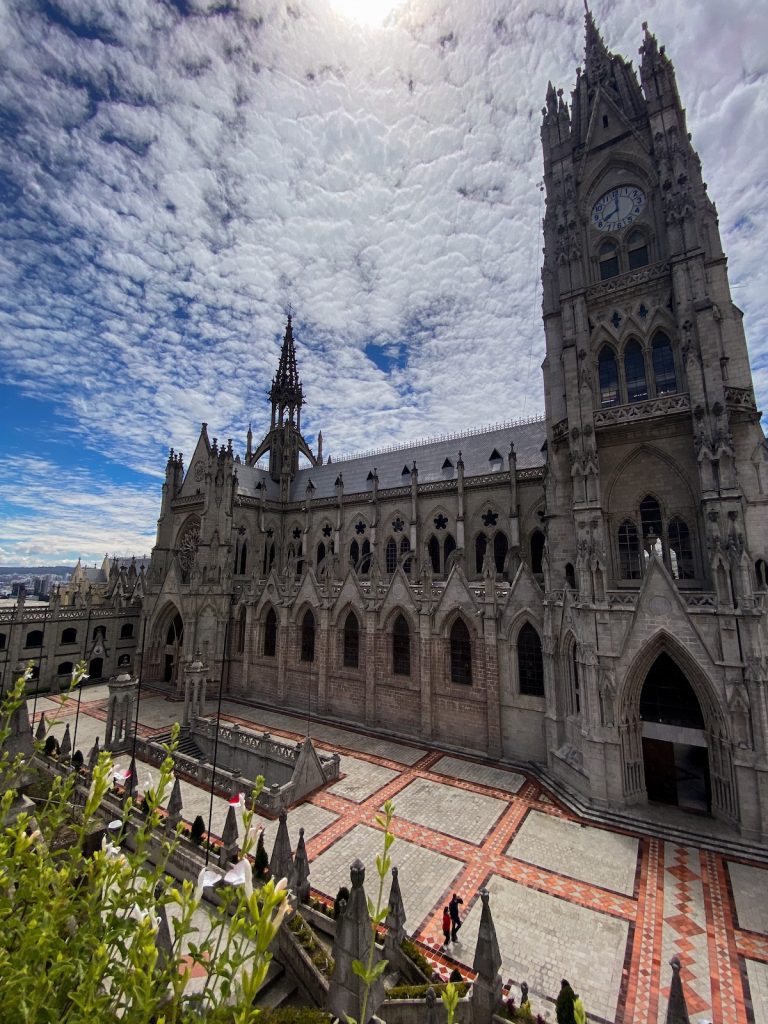
Quito rewards two full days of exploration without effort. The historic center covers the UNESCO colonial quarter, the Basilica del Voto Nacional, La Compañía de Jesús church, and the Plaza Grande. Day trips from the city reach the Middle of the World equatorial monument in 30 minutes, the Mindo cloud forest in two hours, and the Papallacta hot springs in 90 minutes. For Galapagos travelers specifically, the Mindo and Papallacta options add ecosystem context that makes the islands feel like part of a wider natural country rather than an isolated destination.
The historic center (Centro Histórico) is the obvious starting point. The Basilica del Voto Nacional, completed over a century of construction, allows visitors to climb its towers for panoramic views of the city and the surrounding volcanoes. La Compañía de Jesús, a Jesuit church with an interior covered in approximately seven tonnes of gold leaf, is one of the most extraordinary baroque interiors in the Americas. The Plaza Grande, flanked by the Presidential Palace and the Metropolitan Cathedral, is a working public square where the city’s daily life happens around the historic monuments. Budget a half to a full day here, depending on pace.
The Middle of the World (Mitad del Mundo) complex sits 30 minutes north of the city center and marks the equatorial line. The Intiñan Museum on the actual GPS-measured equator runs hands-on demonstrations of equatorial physics: water draining in opposite directions on each side of the line, standing eggs on nail heads, and the measurable difference in balance at true zero latitude. For travelers about to visit an archipelago that sits directly on the equator, this adds immediate context.
The Mindo cloud forest, two hours northwest of Quito, is one of the most biodiverse regions on Earth. The cloud forest holds over 400 species of birds, hundreds of orchid varieties, and a microclimate that feels entirely different from the Andean city above it. Day tours include butterfly farms, waterfall hikes, zip-lining, and chocolate factory visits. For Galapagos-bound travelers who will spend a week immersed in wildlife, Mindo provides a different flavor of the same country’s extraordinary natural richness.
The Papallacta hot springs, 90 minutes east of Quito at 3,300 meters elevation, are thermal pools fed by volcanic springs. The public pools cost approximately $10 per adult. The private spa pools run around $24 and include jet pools and treatment access. For travelers arriving jet-lagged after a long international flight, a morning at Papallacta before the cruise is one of the more genuinely restorative things available in Ecuador. If you want help building a Quito itinerary around your specific cruise dates, including which day trips fit between your arrival and your domestic flight morning, we put these combinations together regularly. Send us a message here and we will build you a realistic timeline.
Should You Do Quito Before or After the Galapagos Cruise?
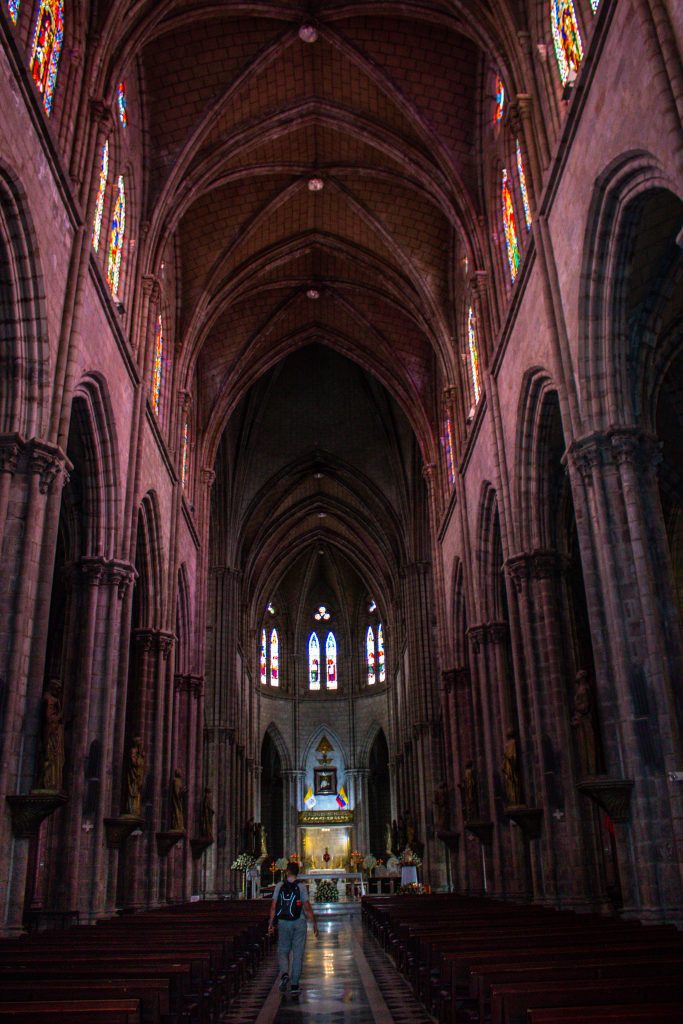
Before the cruise is the stronger choice for most travelers, for three reasons: altitude acclimatization before physical expedition activity, completion of all pre-departure documentation while on the mainland, and the practical advantage of recovering from international travel before boarding a moving vessel. After the cruise works well as a second stay but is better suited to one or two nights of gentle wind-down than to vigorous sightseeing. Doing Quito on both sides is the best option for travelers with the time.
The acclimatization argument is the most underestimated. A traveler who flies from North America or Europe to Quito and continues directly to the Galapagos has given their body no time to adjust to the Andean altitude before the cruise physically demands their participation. Day one of a Galapagos cruise involves a wet landing, a hike, and an afternoon snorkel session. A traveler arriving with a headache and shortness of breath from altitude is not starting the expedition at full capacity. Two nights in Quito first largely resolves this.
There is also a documentation sequence argument. The Transit Control Card (TCT) must be registered online before the domestic flight. The biosecurity declaration (DJM) must be completed online within 48 hours of the Galapagos flight. The Ecuador customs form (FRA) must be completed before entering the country. All of these are most easily completed at leisure in a Quito hotel, not rushed through on a phone in an airport queue. Arriving in Quito two days before the domestic flight gives travelers unhurried time to complete every document before the morning of departure.
After the cruise, Quito takes on a different quality. Travelers returning from eight days on a small vessel are relaxed, unhurried, and have already acclimatized to the altitude (the islands are at sea level; re-ascending to Quito is a minor reacclimatization, but most travelers barely notice it). An evening in a Quito restaurant eating Ecuadorian food after a week of expedition meals, a morning in the old town, and a comfortable transfer to the international airport makes for an excellent final day. One night is enough. Two nights allows one more day trip if desired.
Where Should You Stay in Quito as Part of a Galapagos Trip?
For the pre-cruise Quito stay, the historic center and the Mariscal district offer the best access to the colonial quarter and most day trip departure points. For the post-cruise stay or for travelers with early morning domestic flights, a hotel in the modern northern district near the airport eliminates early morning transit stress. Budget travelers can find clean, well-reviewed guesthouses in the historic center for under $80 per night. Luxury travelers gravitate toward boutique colonial mansion hotels in the UNESCO quarter, with Casa Gangotena being the most consistently recommended.
The historic center is the right base for travelers who want to walk to the colonial attractions directly from their hotel. Properties here include boutique conversions of colonial mansions, several of which have been restored to a standard that combines original architecture with modern amenities. The tradeoff is that the historic center is livelier than some travelers expect, particularly on weekend evenings.
The Mariscal district (La Mariscal) offers a middle ground: close enough to the historic center to reach it by taxi in ten minutes, with more restaurant variety and nightlife than the colonial quarter, and convenient access to most organized day tour pickup points.
The airport area (Tababela) suits travelers whose international flight lands late and whose domestic flight departs early. The 45-minute drive from central Quito to the airport during rush hour can stretch significantly. A hotel near the airport eliminates this variable entirely. The Wyndham Quito Airport and Holiday Inn Quito Airport are the two most frequently used options for this purpose.
| District | Best For | Trade-off | Representative Hotels |
|---|---|---|---|
| Historic Center | Colonial atmosphere, walking access to old town sites | Livelier at night; farther from airport | Casa Gangotena, Hotel Patio Andaluz, Illa Experience Hotel |
| Mariscal District | Restaurant variety, day tour access, central location | More commercial feel | JW Marriott Quito, Hilton Colon Quito, Swissotel |
| Airport Area (Tababela) | Early morning domestic flights; late international arrivals | No walking access to city attractions | Wyndham Quito Airport, Holiday Inn Quito Airport |
For travelers staying multiple nights, splitting: two nights in the historic center before the cruise and one airport-area night after returning from the islands is a combination we find works well logistically and experientially. Reach out here and we can help sequence your full Quito and Galapagos itinerary.
How Do You Handle the Logistics of a Quito Plus Galapagos Itinerary?
The airport sequence on the morning of your domestic Galapagos flight is the most logistically dense part of the entire trip. It involves four sequential steps at the Quito airport before you reach the gate: TCT verification at the CGREG counter, biosecurity baggage scan and sealing at the ABG counter, airline check-in, and standard security. The biosecurity counter at Quito opens at approximately 4:20am. Galapagos flights depart in the morning. Arriving at the airport at least 2.5 hours before departure is not optional.
Here is the full pre-departure documentation sequence that every Quito-to-Galapagos traveler needs to complete, in order:
Before arriving in Ecuador: Complete the Ecuador customs FRA form online at aduana.gob.ec, required since July 2025 for all international arrivals. Register for a free ECUAPASS account with your passport number. Present the QR code at immigration on arrival.
Before your domestic Galapagos flight (ideally in your Quito hotel, not at the airport): Register the Transit Control Card online at siig-cgreg.gobiernogalapagos.gob.ec. Pay the $20 fee by credit card. Download or print the digital confirmation. Complete the Galapagos biosecurity declaration (DJM) at declaracion.abgalapagos.gob.ec within 48 hours of your flight. This is free and produces a QR code you will need at the airport.
At the Quito airport on departure morning: Go to the CGREG counter first, present your TCT (digital or printed), passport, and round-trip Galapagos ticket. Then proceed to the ABG biosecurity counter with all luggage for scanning and sealing. Only after both counters are cleared do you proceed to airline check-in, then standard security.
The luggage question is practical: what do you do with your full suitcase if you are spending two nights in Quito with leisure activities before the cruise? Most Quito hotels offer luggage storage. The standard approach is to pack your cruise bag separately, with everything you need for the islands, and leave your remaining luggage in the hotel for collection on return. Alternatively, if you are not returning to Quito after the cruise, most hotels will store luggage for a nominal fee until your post-cruise night.
On the return from the Galapagos, the sequencing is simpler. International departure from Quito is recommended no earlier than approximately 7pm to allow comfortable transit from the domestic arrival and any final time in the city. The 45-minute drive from the airport to central Quito, extended by potential traffic, means afternoon international departures are risky if your Galapagos return flight lands mid-afternoon.
What Quito Plus Galapagos Travelers Tell Us: Patterns from Our Traveler Interviews
From traveler interviews and feedback collected through mytrip2ecuador.com, the YouTube channel My Trip to Somewhere, and clients who booked through Cruises To Galapagos Islands:
| Feedback Pattern | Approx. Frequency | Planning Implication |
|---|---|---|
| Wished they had spent more time in Quito rather than treating it as transit | ~71% | Build at least 2 full nights in Quito; it earns the time |
| Experienced mild altitude symptoms in Quito (headache, shortness of breath) | ~58% | Take the first afternoon gently; hydrate, avoid alcohol, sleep early |
| Did not complete documentation before arriving at the airport and experienced delays | ~33% | Complete TCT, DJM, and FRA from your hotel in the days before departure |
| Did a Quito day trip and described it as one of the highlights of the whole Ecuador trip | ~64% | Mindo and Papallacta add genuine ecosystem depth to a Galapagos itinerary |
| Would combine Quito and the Galapagos again on a return trip | ~89% | The combination delivers more of Ecuador than the islands alone; satisfaction is very high |
Data from traveler interviews and feedback collected through mytrip2ecuador.com and Oleg’s YouTube audience.
What Are the Biggest Mistakes Travelers Make When Combining Quito and a Galapagos Cruise?
The most consequential mistakes in a combined Quito and Galapagos itinerary are arriving with only one night in Quito before a physically demanding cruise, attempting to complete documentation at the airport rather than in advance, booking an international departure too early on the day of return from the islands, and spending the Quito stay in an airport-area hotel that makes the city inaccessible for any meaningful exploration.
Mistake 1: One night in Quito before a cruise. One night sounds logical: land, sleep, fly. In practice, it leaves no margin for a delayed international flight, no recovery time from crossing multiple time zones, and no altitude acclimatization before boarding a vessel for eight days of physical activity. A traveler who arrives in Quito at 10pm after a 12-hour flight and boards a domestic Galapagos flight at 7am the next morning has not slept properly, has not acclimatized to the altitude, and begins their expedition cruise at a genuine disadvantage. Two nights costs one extra hotel night. It is almost always worth it.
Mistake 2: Leaving documentation for the airport. The biosecurity process at Quito airport for Galapagos flights is sequential and time-consuming. The TCT verification counter, the luggage biosecurity scan, airline check-in, and standard security all happen in sequence before the gate. The biosecurity counter opens at approximately 4:20am for morning Galapagos flights. Travelers who arrive at 5:30am having not yet registered their TCT online will be completing that step on a phone under time pressure while the queue builds. The entire documentation set, TCT, DJM biosecurity declaration, and FRA customs form, can be completed from a hotel in 30 minutes the evening before departure.
Mistake 3: Booking an early international return flight. Galapagos domestic flights return to Quito in the afternoon. The 45-minute drive from the airport to downtown can extend to 75 minutes in traffic. If your international flight departs at 5pm and your domestic return lands at 2pm, the connection is tight and entirely dependent on traffic conditions. Book international departures from Quito at 7pm or later on the day you return from the islands, or plan to spend one final night in Quito before your international departure the following morning.
Mistake 4: Staying near the airport for the entire Quito portion. Airport-area hotels make sense for a single night around a tight connection. For a two-night pre-cruise Quito stay, they put the historic center, the day trips, and the city’s best restaurants 45 minutes away by car. The entire value of the Quito portion disappears if you are commuting from the airport fringe every time you want to see anything. Stay in the historic center or Mariscal district for the pre-cruise stay, then move to an airport hotel for the final night if you have an early international departure.
Frequently Asked Questions
Is it necessary to go through Quito to reach the Galapagos?
No. Domestic flights to the Galapagos depart from both Quito (UIO) and Guayaquil (GYE). Travelers who want to avoid Quito’s altitude can base in Guayaquil instead. However, most international flights route through Quito, and Guayaquil’s appeal as a destination is considerably more limited than Quito’s UNESCO colonial center.
How serious is altitude sickness in Quito?
Quito sits at 2,850 meters, delivering roughly 40 percent less oxygen than sea level. Mild symptoms including headaches, shortness of breath on exertion, fatigue, and disrupted sleep affect a meaningful portion of visitors arriving from low elevations. These symptoms are manageable and typically resolve within 24 to 48 hours. Taking the first afternoon gently, hydrating well, avoiding alcohol on the first evening, and eating light are the standard management steps. Severe altitude sickness is uncommon at Quito’s elevation but not impossible. Travelers with a history of serious altitude reactions should consult their doctor before the trip.
Can I complete the TCT and biosecurity forms at the Quito airport on departure day?
Technically yes for the TCT, as the CGREG counter remains available in person. But the online registration process is faster, more reliable, and strongly recommended. The biosecurity declaration (DJM) must be completed online before your flight. Both are best handled from your hotel the evening before departure, not at the airport under time pressure on the morning of the flight.
What is the best day trip from Quito for Galapagos travelers?
Mindo cloud forest (two hours northwest) and Papallacta hot springs (90 minutes east) are both excellent and thematically complement a Galapagos trip. Mindo provides a different ecosystem, extraordinary birdlife, and lush forest landscapes. Papallacta provides high-altitude thermal pools in a volcanic setting that feels restorative before or after the cruise. The Middle of the World monument (30 minutes north) is the most logistically convenient option for travelers with limited time.
What time should I arrive at the Quito airport for a Galapagos domestic flight?
At least 2.5 hours before departure, and ideally 3 hours. The biosecurity counter at Quito opens at approximately 4:20am. The sequence of TCT counter, biosecurity scan, airline check-in, and standard security takes longer than a standard domestic departure. Arriving with less than 2 hours before departure is a genuine risk of missing the flight.
Planning a Galapagos Cruise With a Quito Extension?
We put together Quito and Galapagos combinations regularly and know which sequences work for different travel schedules, cruise lengths, and budgets. Oleg has traveled both destinations personally and knows the logistics from end to end. Our agency is rated 4.9 stars on both Google and TripAdvisor. Tell us your travel window, your cruise length, and where you are flying in from, and we will build you a realistic combined itinerary with no obligation.
Plan Your Quito and Galapagos Trip
Written by Oleg Galeev
Galapagos cruise traveler (3 trips, 2 cruises) · Founder, Cruises To Galapagos Islands
Oleg has personally inspected nearly every available Galapagos cruise vessel and interviewed thousands of travelers to build the most first-hand cruise knowledge base available. He also runs the Ecuador travel blog mytrip2ecuador.com and the YouTube channel My Trip to Somewhere.
Cruises To Galapagos Islands is rated 4.9 stars on Google and TripAdvisor.
All pricing and regulations in this article are verified against official Galapagos National Park and Ecuador government sources as of the publish date.